
Table of Contents
Categories

Charles Wong
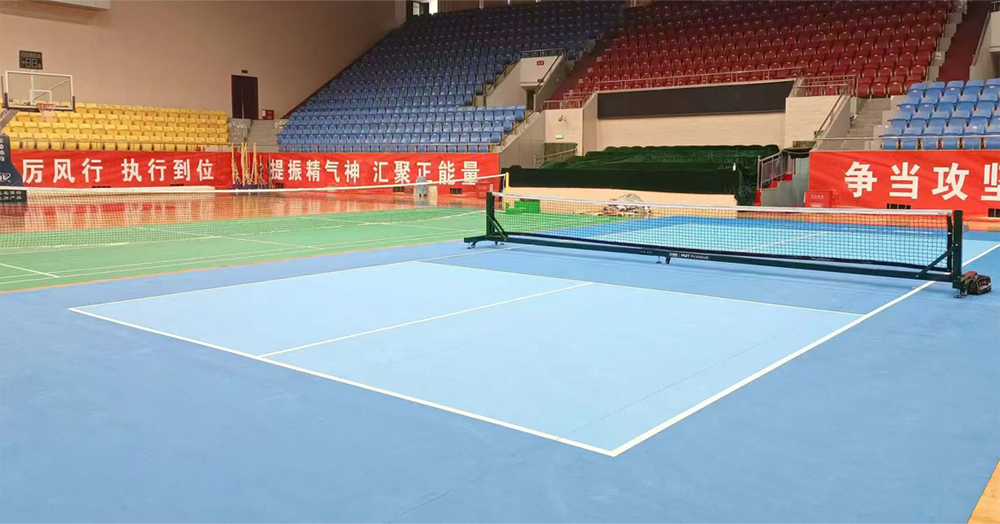
Introduction to Pickleball Court Cost in 2026
Growing Demand for Pickleball Courts Worldwide
Pickleball is no longer a niche pastime; it has evolved into a full-blown global phenomenon, with facilities popping up from suburban clubs in North America to multi-sport complexes across Europe and Asia. This surge in demand has created a ripple effect across the supply chain, where court construction, surface systems, and modular solutions are being scaled at an unprecedented pace. For buyers, this means more options on the table—but also a wider dispersion in pricing structures that can be deceptively complex. In other words, the market is booming, but not every deal is as sweet as it looks at first glance.
Why Cost Planning Matters for Buyers
When it comes to pickleball court cost, winging it is a fast track to budget overruns and operational headaches. Procurement professionals are not just buying a surface; they are orchestrating a multi-variable investment that includes logistics, installation, and long-term maintenance considerations. A well-structured cost plan acts as a safeguard against underestimating the true financial scope of a project. Without that discipline, what starts as a tidy quote can spiral into a cost structure riddled with unforeseen expenses.
Key Factors Influencing Total Court Cost
Several variables converge to define the total pickleball court cost, and ignoring any one of them can skew the entire budget. Surface material selection, sub-base conditions, geographic location, and shipping logistics all play pivotal roles in shaping the final figure. Additionally, project scale introduces economies—or inefficiencies—depending on how well the procurement strategy is executed. The bottom line is simple: cost is not a single number, but a composite of interdependent elements that must be evaluated holistically.
Pickleball Court Cost by Court Type
Permanent Courts (Concrete or Asphalt Base)
Permanent courts built on concrete or asphalt foundations represent the gold standard for durability and long-term use. These installations require significant upfront investment due to site preparation, curing time, and specialized coatings, but they deliver a robust playing surface that can withstand years of heavy traffic. From a cost perspective, they tend to be capital-intensive at the outset, yet their longevity often offsets the initial expenditure. For facilities aiming at stability and prestige, this is the “build it once, build it right” approach.
Roll-Out and Modular Courts
Roll-out and modular systems are the scrappy contenders in the cost arena, offering flexibility and rapid deployment without the need for extensive groundwork. Typically quoted on a per square meter basis, these systems appear straightforward, but that simplicity can be misleading if buyers overlook associated costs. Packaging, freight, and installation accessories can quietly accumulate, turning a seemingly economical option into a more nuanced investment. Still, for temporary setups or fast-scaling operations, these systems punch well above their weight.
Indoor vs Outdoor Court Cost Differences
Indoor and outdoor courts diverge not only in usage but also in cost structure, driven by environmental exposure and infrastructure requirements. Outdoor courts must contend with UV resistance, drainage considerations, and weather-induced wear, which can elevate material and maintenance costs. Indoor courts, while shielded from the elements, often require controlled environments and specialized flooring systems that introduce their own cost variables. Choosing between the two is less about price alone and more about aligning the facility with its intended use case.
Cost Breakdown Per Court
Surface Material Cost per Square Meter
Surface material is the headline number everyone gravitates toward, often quoted in the range of USD 20–30 per square meter for roll-out systems. For a standard 18m × 9m court, this translates to roughly $4,000, which seems tidy and predictable on paper. However, this figure represents only the tip of the iceberg in the overall cost structure. Treating it as the total cost is like judging a book by its cover—it simply does not tell the whole story.
Base Construction and Site Preparation
For permanent courts, base construction is where budgets begin to stretch, encompassing excavation, grading, and material layering. These processes demand both skilled labor and precise engineering to ensure a stable and level playing surface. Costs can fluctuate significantly depending on soil conditions and site accessibility, adding another layer of variability. Skimping here is a false economy, as a compromised base will inevitably lead to higher repair costs down the line.
Accessories, Equipment, and Finishing
Beyond the surface and base, a host of ancillary components contribute to the final court cost. Nets, fencing, lighting, and line markings may seem like minor details, but they collectively shape the functionality and user experience of the court. Installation accessories such as adhesive tapes or seam welding solutions further influence both cost and performance. These elements are often underestimated, yet they play a decisive role in the overall project outcome.
Budget Ranges for Different Project Types
Low-Budget and Temporary Installations
Low-budget projects typically lean on roll-out or modular systems to minimize upfront expenditure. These setups prioritize affordability and speed, making them ideal for pop-up courts or community events. While they may not offer the longevity of permanent installations, they deliver a practical solution for immediate needs. For buyers operating under tight constraints, this approach keeps costs manageable without sacrificing usability.
Mid-Range Club and School Projects
Mid-range projects strike a balance between cost efficiency and performance, often combining durable surfaces with moderate infrastructure investment. Schools and clubs in this category seek reliability without overextending their budgets, opting for solutions that can handle regular usage. The cost structure here is more layered, incorporating better materials and more refined installation processes. It is a pragmatic middle ground where value and functionality intersect.
High-End Commercial and Tournament Facilities
High-end facilities operate in a different league altogether, where performance, aesthetics, and compliance with professional standards take center stage. These projects involve premium materials, advanced construction techniques, and comprehensive amenities, resulting in a significantly higher cost profile. However, the return on investment is realized through enhanced player experience and commercial viability. For stakeholders aiming to make a statement, this is where the big leagues play.
Hidden Costs Most Buyers Overlook
Logistics, Shipping, and Container Efficiency
Shipping is often the wild card in pickleball court cost, capable of swinging budgets by 30–80% depending on circumstances. Container utilization, port efficiency, and freight forwarding arrangements all influence the final landed cost. Even packaging choices—such as pallets versus crates—can affect how many courts fit into a single shipment. Ignoring these variables is like leaving money on the table.
Installation Materials and Labor Variability
Installation is not just about laying down a surface; it involves a suite of materials and labor inputs that vary by region and system design. Double-sided adhesive tapes or seam welding solutions each come with distinct cost and performance implications. Labor rates further complicate the equation, fluctuating based on local market conditions. These factors can quietly inflate budgets if not accounted for in advance.
Import Duties, Taxes, and Delivery Terms
Duties and taxes are the stealth operators of project cost, often overlooked until they appear on the final invoice. Delivery terms such as DDP can simplify logistics but typically come at a premium. The variability across regions makes it essential for buyers to understand local regulations and cost implications. Failing to do so can result in unpleasant surprises that derail financial planning.
Cost Comparison by Surface and System
Acrylic vs Modular vs Roll-Out Systems
Each surface system brings its own cost dynamics and performance characteristics to the table. Acrylic courts offer a traditional feel with higher installation complexity, while modular and roll-out systems emphasize flexibility and speed. The choice ultimately hinges on balancing upfront cost with operational requirements. No one-size-fits-all solution exists, and savvy buyers weigh these factors carefully.
Maintenance Cost Over Time
Maintenance is the long game in cost evaluation, often overshadowed by initial pricing discussions. Permanent courts may require resurfacing, while modular systems might need periodic replacement of components. These ongoing expenses accumulate over the lifecycle of the court. Factoring them into the equation provides a more accurate picture of total cost.
Performance vs Cost Trade-Off Analysis
Every cost decision carries a performance implication, and vice versa. Higher upfront investment can yield better playability and durability, while lower-cost options may involve compromises. The key is to align performance expectations with budget realities. A well-calibrated trade-off ensures that the chosen solution delivers value without overreach.
How to Optimize Pickleball Court Cost
Choosing the Right System for Your Budget
Selecting the appropriate court system requires a clear understanding of both financial constraints and usage requirements. Buyers must evaluate not only the initial cost but also long-term implications. Matching the system to the project’s purpose ensures optimal resource allocation. It is a strategic decision, not just a financial one.
Reducing Cost Through Bulk Orders and Planning
Bulk procurement can unlock significant cost efficiencies, particularly in manufacturing and shipping. Consolidating orders improves container utilization and reduces per-unit freight costs. Strategic planning further enhances these benefits by aligning production and delivery schedules. It is a classic case of scale working in the buyer’s favor.
Working with OEM/ODM Suppliers Effectively
Collaborating with experienced OEM/ODM suppliers provides access to tailored solutions and competitive pricing. Clear communication of requirements and expectations is essential to maximize this partnership. Suppliers can often offer insights that streamline cost structures and improve outcomes. When executed well, this relationship becomes a cornerstone of successful projects.
Final Considerations for Global Buyers
Total Landed Cost vs Quoted Price
The quoted price is merely the starting line, not the finish line, in cost evaluation. Total landed cost encompasses every expense from production to final delivery. Understanding this distinction is crucial for accurate budgeting. Buyers who focus solely on quotes risk underestimating their real investment.
Cost Planning by Region and Market Conditions
Regional factors such as labor rates, material availability, and regulatory frameworks significantly influence cost. Market conditions, including shipping demand and currency fluctuations, add another layer of complexity. Adapting cost planning to these variables ensures more reliable projections. It is a dynamic process that requires continuous attention.
Requesting Accurate Quotes and Next Steps
Accurate quotes depend on detailed project specifications and transparent communication. Providing comprehensive information enables suppliers to deliver precise cost estimates. This step lays the foundation for informed decision-making and smooth project execution. In the end, clarity upfront saves both time and money down the road.
Related Posts
Pickleball Court Cost 2026 by Court Type and Budget
Pickleball court material with fastest global delivery
Pickleball Court Installation Cost 2026
The breakdown of pickleball court costs by court type and budget really highlights how dynamic the market has become. It’s fascinating to see how the growing global demand is shaping not just pricing, but also the complexity of procurement decisions. Your point about cost planning being essential for avoiding budget overruns really resonated—especially for those considering multi-sport facility investments. Thanks for the insightful overview of what buyers need to keep in mind as the market continues to scale.
My pleasure. In brief, buyers should look at landed cost, not just “flooring” cost.
The point about cost planning really stood out to me—without considering factors like installation and long-term maintenance, even a small court project can end up costing far more than expected. It’s a helpful reminder that upfront research and planning can save a lot of headaches down the line.