Table of Contents
Categories

KOLISTI Team

Understanding Pickleball Court Flooring Kits
What Is a Pickleball Court Flooring Kit?
A pickleball court flooring kit is a comprehensive surface solution designed to transform an existing area into a functional pickleball court with minimal construction requirements. Rather than building a traditional court from scratch, facility owners can deploy a ready-made flooring system that delivers consistent ball bounce, reliable traction, and a professional playing experience. As pickleball continues to gain momentum worldwide, these kits have become a practical way to create courts in gyms, convention centers, schools, sports clubs, and outdoor venues. In many cases, they provide a faster route to court deployment while reducing installation complexity and downtime.
Key Components Included in a Flooring Kit
Most commercial-grade flooring kits include the playing surface, court markings, perimeter edging, and installation accessories required for a complete setup. Advanced systems may also incorporate shock-absorbing layers, fiberglass reinforcement structures, transport carts, storage solutions, and optional net systems. The exact configuration depends on whether the flooring is intended for temporary events or long-term facility installations. A well-designed kit ensures that all components work together as a cohesive performance system rather than as individual products.
Why Flooring Systems Matter for Player Performance and Safety
The playing surface is one of the most influential factors affecting both athlete performance and injury prevention. A properly engineered floor provides predictable ball response, secure footing, and controlled energy return during rapid directional changes. Poor flooring, on the other hand, can lead to inconsistent bounce patterns, player fatigue, and an increased risk of slips or joint stress. In a sport known for quick reflexes and explosive lateral movement, the surface beneath a player’s feet is far more important than many newcomers realize.
Temporary vs. Permanent Pickleball Court Flooring Solutions
Characteristics of Temporary Court Flooring Systems
Temporary court flooring systems are designed for portability, rapid deployment, and easy removal. These solutions are particularly popular for tournaments, exhibitions, multi-purpose sports halls, and convention centers where floor layouts change frequently. Roll-out flooring systems are often favored because they can be installed within hours rather than days. As the saying goes, they allow venue operators to get the show on the road without committing to permanent construction.
Features of Permanent Pickleball Court Flooring Installations
Permanent flooring systems prioritize durability, long-term stability, and continuous daily use. They are commonly installed in dedicated pickleball clubs, municipal facilities, schools, and recreational complexes that expect heavy traffic throughout the year. These installations often feature more robust subfloor integration and higher structural rigidity. While the initial investment may be greater, permanent systems are engineered to withstand years of competitive play with minimal performance degradation.
Comparing Cost, Flexibility, and Longevity
Temporary flooring generally offers lower upfront costs and greater versatility, making it attractive for organizations with changing space requirements. Permanent installations typically provide superior longevity and may deliver lower lifetime operating costs when evaluated over many years. The decision ultimately depends on venue objectives, usage frequency, and budget constraints. Selecting the right solution requires balancing immediate flexibility against long-term value.
Essential Components of a Commercial Pickleball Court Flooring Kit
Flooring Surface Materials and Construction
Modern pickleball flooring utilizes a variety of construction technologies, including acrylic-coated surfaces, modular polymers, and composite roll-out systems. Premium products often feature multi-layer architectures that combine wear resistance, dimensional stability, and shock absorption. Fiberglass reinforcement layers, high-density cushioning structures, and specialized surface textures can significantly enhance durability and playing characteristics. The engineering hidden beneath the surface often determines whether a court performs consistently for years or deteriorates prematurely.
Court Markings, Boundaries, and Accessories
Accurate court markings are essential for maintaining regulatory compliance and ensuring fair competition. High-quality flooring kits incorporate factory-applied lines that resist fading and wear while preserving dimensional accuracy. Additional accessories may include edge ramps, transition strips, corner pieces, and protective perimeter components. These seemingly small details contribute substantially to both appearance and functionality.
Storage, Transport, and Installation Equipment
Commercial venues frequently require specialized equipment to move, store, and deploy flooring systems efficiently. Storage racks, transport carts, and rolling systems reduce labor requirements while helping preserve flooring integrity during handling. Proper logistics equipment also minimizes setup times and lowers the risk of accidental damage. For facilities hosting multiple events, operational efficiency can be just as important as on-court performance.
Types of Pickleball Court Flooring Available Today
Roll-Out Acrylic Flooring Systems
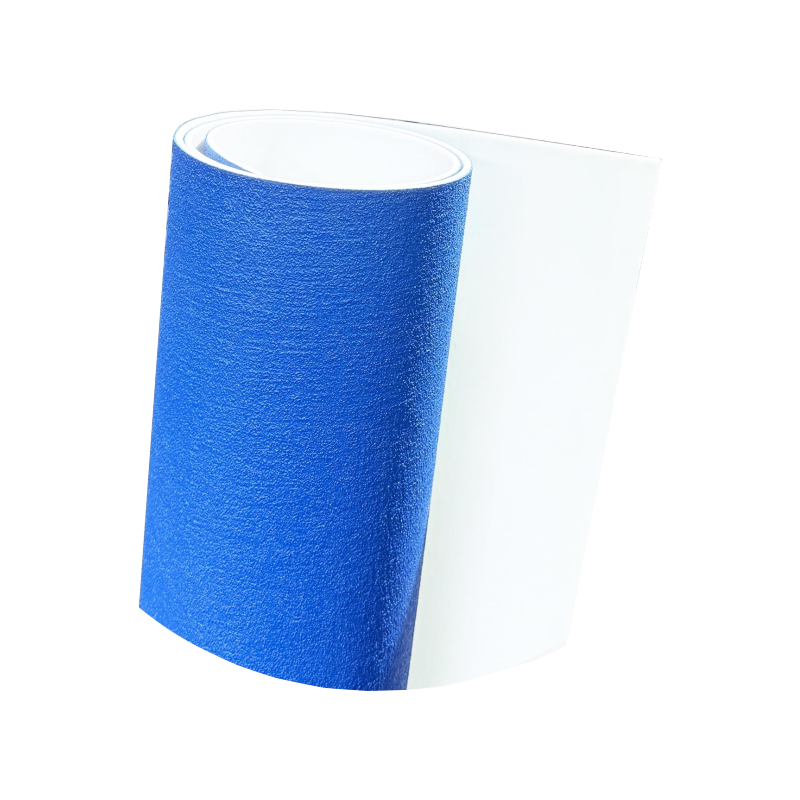
Roll-out acrylic flooring systems have emerged as one of the most innovative solutions in the industry. These surfaces combine portability with professional-grade playing characteristics, creating a practical alternative to permanent court construction. Many advanced systems utilize fiberglass stabilization layers and factory-coated acrylic wear surfaces to achieve consistent performance. They are particularly effective for facilities seeking tournament-quality courts without extensive infrastructure investment.
Modular Interlocking Tile Flooring
Modular tile systems consist of interlocking polymer panels that can be assembled into courts of various sizes. Their popularity stems from straightforward installation procedures and strong weather resistance for outdoor applications. The open-grid structure found in many products promotes drainage and reduces standing water issues. However, performance characteristics can vary significantly depending on tile design and material quality.
Traditional Acrylic-Coated Hard Courts
Traditional acrylic hard courts remain a benchmark surface in many sports facilities. These courts are constructed directly on asphalt or concrete foundations and finished with specialized acrylic coating systems. They provide excellent durability and a familiar playing experience for many athletes. Nevertheless, installation is more labor-intensive and requires a permanent commitment to a dedicated court footprint.High-frequency usage highlights the strengths of both systems. Modular tiles perform exceptionally under constant foot traffic, making them suitable for clubs and schools. Roll-out mats, however, offer a quick solution for multipurpose courts that require temporary deployment, with the added benefit of being easy to roll up, move, or store to manage wear patterns strategically.
How to Choose the Right Pickleball Court Flooring Kit
Evaluating Venue Requirements and Usage Frequency
Selecting the right flooring begins with understanding how the court will be used. A community center hosting occasional recreational games will have different requirements than a competitive training facility operating daily. Usage patterns influence wear rates, maintenance demands, and expected return on investment. Taking a strategic approach during planning can prevent costly mistakes later.
Indoor vs. Outdoor Flooring Considerations
Indoor environments prioritize ball consistency, comfort, and ease of maintenance, while outdoor surfaces must withstand weather, UV radiation, and temperature fluctuations. Moisture management, thermal expansion, and drainage characteristics become increasingly important in exterior installations. Choosing a flooring system specifically engineered for its intended environment is critical for long-term success. One size rarely fits all in sports flooring applications.
Balancing Budget, Performance, and Maintenance
Every flooring purchase involves balancing financial considerations with performance expectations. Lower-cost solutions may appear attractive initially but can result in higher maintenance expenses or shorter service lives. Premium systems often justify their investment through enhanced durability and reduced operational disruptions. The most effective decision focuses on total lifecycle value rather than purchase price alone.
Performance Factors That Influence Player Experience
Ball Bounce Consistency and Surface Response
Consistent ball bounce is fundamental to competitive pickleball. Surface irregularities or material inconsistencies can create unpredictable play and frustrate athletes at all skill levels. High-performance flooring systems are engineered to maintain uniform response characteristics across the entire court. This consistency helps players develop confidence and execute strategic shots more effectively.
Shock Absorption and Joint Protection
As participation expands among players of all ages, shock absorption has become an increasingly important design consideration. Appropriate cushioning can reduce repetitive impact forces transmitted through ankles, knees, and hips during extended play sessions. While no surface can eliminate physical stress entirely, advanced flooring systems can significantly improve comfort. This benefit is especially valuable for facilities catering to recreational and senior players.
Traction, Grip, and Player Mobility
Traction must strike a delicate balance between stability and freedom of movement. Excessive grip can increase joint loading during sudden directional changes, while insufficient traction may lead to slips and falls. Premium pickleball flooring is engineered to provide controlled friction coefficients that support rapid acceleration and deceleration. When players feel secure underfoot, they can focus entirely on the game rather than worrying about the surface.
Installation Requirements for Temporary and Permanent Venues
Site Preparation and Subfloor Conditions
No matter how advanced a flooring system may be, its performance ultimately depends on the quality of the underlying surface. Subfloors should be level, structurally stable, and free from excessive cracks, debris, moisture, or contamination that could compromise installation integrity. Even minor imperfections can create localized stress points that affect ball bounce and player comfort. Experienced facility managers understand that proper preparation is not an optional step; it is the foundation upon which long-term court performance is built.
Installation Procedures and Best Practices
Installation procedures vary depending on the flooring technology being used, but precision remains essential across all systems. Roll-out flooring installation typically requires careful alignment, seam management, and acclimatization to environmental conditions before play begins. Modular tile systems demand accurate interlocking patterns and perimeter finishing to ensure structural stability. Following manufacturer guidelines reduces installation errors and helps achieve the intended performance characteristics of the court.
Common Installation Mistakes to Avoid
One of the most common mistakes is rushing the installation process to meet aggressive event deadlines. Poor surface preparation, incorrect seam alignment, inadequate expansion allowances, and improper storage before installation can all lead to performance issues. Another frequent oversight involves neglecting environmental factors such as temperature and humidity fluctuations. Cutting corners may save time initially, but it often creates costly remediation work down the road.
Maintenance and Long-Term Durability
Routine Cleaning and Surface Care
Regular cleaning plays a critical role in preserving both the appearance and functionality of pickleball court flooring. Dust, dirt, sand, and other abrasive particles can gradually accelerate surface wear if left unattended. Most modern flooring systems require only simple maintenance procedures such as sweeping, vacuuming, or damp mopping to remain in excellent condition. Consistent care helps maintain traction levels and extends the overall lifespan of the installation.
Managing Wear, UV Exposure, and Weather Conditions
Outdoor courts face a variety of environmental challenges, including ultraviolet radiation, precipitation, thermal cycling, and airborne contaminants. Over time, these factors can contribute to fading, material fatigue, and dimensional instability if the flooring lacks adequate protection. High-quality commercial systems often incorporate UV-resistant coatings and weather-tolerant construction methods to mitigate these risks. Selecting products specifically engineered for environmental durability can significantly reduce maintenance burdens.
Extending the Service Life of Court Flooring Systems
Longevity depends on a combination of proper installation, routine maintenance, and responsible usage practices. Facility operators should conduct periodic inspections to identify early signs of wear before minor issues develop into larger problems. Prompt repairs, proper storage procedures, and adherence to manufacturer recommendations can dramatically extend service life. In many cases, proactive maintenance costs far less than premature replacement.
Applications Across Different Commercial Venues
Schools, Universities, and Community Centers
Educational institutions increasingly view pickleball as an effective way to promote physical activity among students and local residents. Flooring kits provide a practical solution for facilities that must accommodate multiple sports within the same space. Portable systems allow gymnasiums to transition between activities quickly without sacrificing court quality. This flexibility makes pickleball accessible to a wider audience while maximizing facility utilization.
Sports Clubs, Recreation Facilities, and Resorts
Longevity depends on a combination of proper installation, routine maintenance, and responsible usage practices. Facility operators should conduct periodic inspections to identify early signs of wear before minor issues develop into larger problems. Prompt repairs, proper storage procedures, and adherence to manufacturer recommendations can dramatically extend service life. In many cases, proactive maintenance costs far less than premature replacement.
Tournaments, Exhibitions, and Temporary Event Venues
Major tournaments and promotional events frequently rely on temporary flooring systems to create professional courts in unconventional locations. Convention centers, exhibition halls, arenas, and outdoor event spaces can all be transformed into competition-ready venues within a remarkably short timeframe. Portable flooring enables organizers to showcase the sport in high-visibility environments where permanent construction would be impractical. It is a classic example of bringing the game to the audience rather than waiting for the audience to come to the game.
Future Trends in Pickleball Court Flooring Systems
Innovations in Portable Court Flooring Technology
Portable court technology continues to evolve at an impressive pace as manufacturers seek to improve both performance and operational efficiency. New composite structures, enhanced stabilization layers, and advanced surface coatings are helping portable systems rival traditional permanent courts in many performance metrics. Lightweight construction methods are also reducing transportation costs and installation labor requirements. The future of portable flooring is increasingly defined by convenience without compromise.
Sustainable and Eco-Friendly Flooring Materials
Sustainability has become a significant consideration throughout the sports infrastructure industry. Manufacturers are exploring recycled content, low-emission production methods, and environmentally responsible material formulations to reduce ecological impact. Buyers are also paying closer attention to product lifecycle assessments and long-term resource efficiency. As environmental standards continue to evolve, sustainable flooring solutions are likely to gain greater market prominence.
Emerging Demands from Commercial Facility Operators
Commercial buyers today expect far more than a simple playing surface. They seek flooring systems that combine performance, durability, ease of maintenance, rapid installation, and long-term value within a single package. Data-driven facility management practices are also increasing demand for products with predictable maintenance schedules and measurable lifecycle costs. As pickleball continues its remarkable global expansion, flooring manufacturers that successfully address these evolving requirements will be well positioned for future growth.
Conclusion
The rapid growth of pickleball has created unprecedented demand for versatile, high-performance court flooring solutions across a wide range of venues. Whether the objective is to establish a temporary tournament court, convert a multi-purpose facility, or develop a permanent pickleball destination, selecting the right flooring kit plays a pivotal role in overall success. Factors such as surface construction, player safety, installation requirements, maintenance expectations, and long-term durability should all be carefully evaluated before making an investment decision.
Modern pickleball court flooring kits offer facility owners greater flexibility than ever before, enabling professional-grade playing environments to be installed in locations that would have been considered impractical only a few years ago. From roll-out acrylic systems and modular tile courts to traditional permanent installations, today’s market provides solutions for virtually every operational requirement and budget level. By understanding the strengths and limitations of each option, commercial buyers can confidently choose a flooring system that delivers exceptional performance, maximizes facility utilization, and supports the continued growth of the sport for years to come.
Related Posts
How to Convert a Tennis Court to Pickleball Courts
Can You Put a Pickleball Court on a Driveway? A Complete Guide
How to Install Roll-Out Pickleball Court Flooring