Table of Contents
Categories

KOLISTI Team
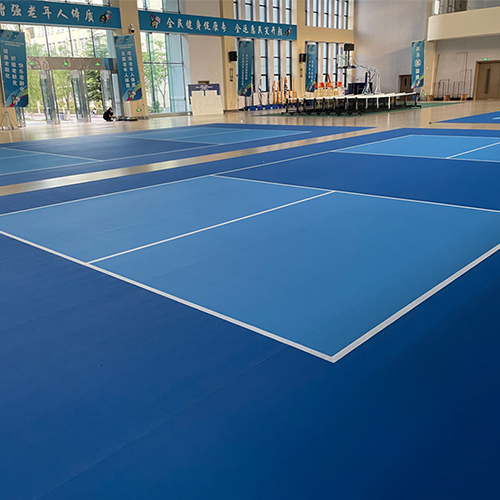
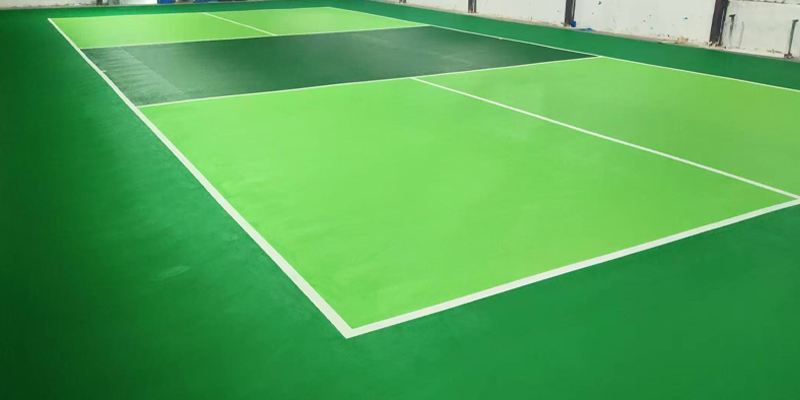
When it comes to choosing the right flooring for a pickleball court, longevity, performance, and maintenance are often top of mind. Two modern solutions dominate the conversation: modular interlocking tiles and roll-out acrylic mats. Each system brings unique advantages and challenges, making it essential to understand how they compare in durability, usability, and overall value. While both are widely used, subtle differences can determine which is the better fit for specific applications.
Understanding the Two Flooring Systems
What Are Modular Interlocking Pickleball Tiles?
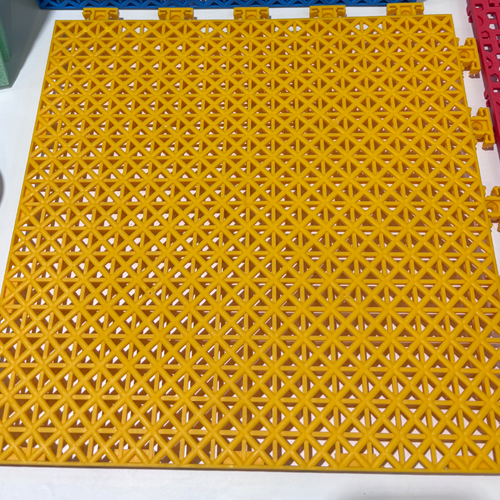
Modular interlocking tiles are rigid panels, usually made of polypropylene or similar engineered polymers, that lock together to form a floating court surface. The interlocking mechanism allows for expansion and contraction while providing stability, and the textured surface ensures consistent traction. These tiles are highly versatile, making them popular for outdoor installations in parks, schools, and recreational clubs where long-term durability is a key consideration.
What Are Roll-Out Acrylic Pickleball Mats?
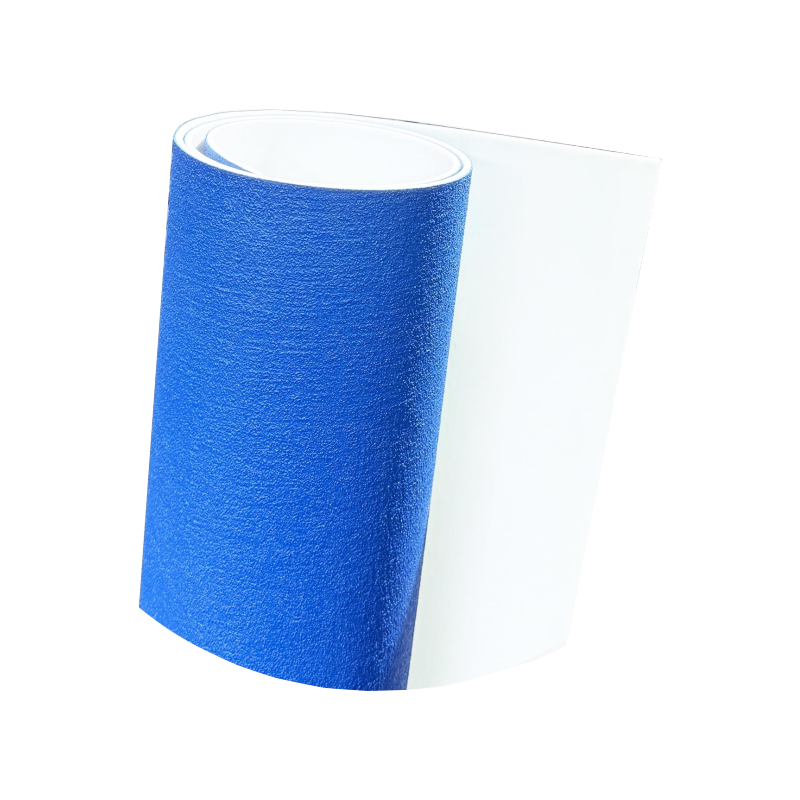
Roll-out acrylic mats consist of a flexible backing, often reinforced with fiberglass or woven polyester, coated with multiple acrylic layers to provide traction, ball response, and visual clarity. Delivered in large rolls, they are unrolled directly onto a flat substrate such as concrete, creating a continuous, seamless playing surface. Their ability to be rolled up and stored when not in use offers unmatched portability, which is ideal for temporary courts or multipurpose spaces.
Common Applications and Installation Environments
Modular tiles are typically used for semi-permanent outdoor courts, school gyms, and community centers, where durability under high traffic is required. Roll-out mats, on the other hand, excel in indoor venues, temporary tournaments, or any location where the flooring may need to be moved or repurposed. Both options are suitable for high-quality play, but the choice often depends on whether flexibility or permanence is more important to the facility owner.
Material Composition and Structural Design
Construction Materials Used in Modular Tiles
High-quality modular tiles utilize UV-stabilized polymers designed to resist cracking, fading, and deformation. Integrated structural ribs beneath the playing surface provide load distribution and prevent warping under weight and stress. This robust construction ensures tiles maintain their shape and performance characteristics over time, even with heavy athletic use.
Surface Layers and Core Structure of Acrylic Mats
Roll-out acrylic mats employ a multi-layer design that balances flexibility with performance. The backing layer provides tensile strength, while the acrylic top layers deliver surface traction, ball response, and a smooth, professional finish. Despite being thinner than modular tiles, their surface coatings are engineered to withstand routine use, and their flexibility allows them to conform to minor substrate imperfections, preventing stress fractures that rigid surfaces might experience.
How Design Differences Influence Long-Term Durability
The key difference is how each system handles repeated stress. Modular tiles distribute force through their rigid support structure, making them resilient to point loads. Roll-out mats rely on the integrity of the composite layers, which can flex slightly under impact, reducing surface cracking and extending usability. For venues that require both durability and adaptability, roll-out mats often provide a balance that modular tiles cannot match.
Resistance to Weather and Environmental Exposure
UV Resistance and Color Retention
Both systems offer UV resistance, but the approach differs. Modular tiles integrate UV inhibitors into the polymer itself, maintaining color over time. Acrylic mats rely on UV-stable coatings that resist fading while allowing the backing to remain flexible. In practice, roll-out mats maintain vibrant surfaces longer in environments with intermittent sun exposure due to their ability to be stored when not in use, avoiding prolonged UV degradation.
Performance Under Rain, Heat, and Temperature Changes
Modular tiles can withstand temperature fluctuations thanks to their interlocking design and rigid support structure, making them ideal for permanent outdoor installations. Roll-out mats are designed to perform in moderate climates but excel in controlled indoor environments. Their flexible composition allows them to absorb thermal expansion and contraction without warping, which can be particularly beneficial in regions with daily temperature swings.
Drainage Capabilities and Moisture Management
While modular tiles often include perforated surfaces for water drainage, roll-out mats rely on substrate slope and water-resistant backing to prevent pooling. One advantage of roll-out mats is that they can be lifted, dried, and stored in the event of prolonged rain or flooding, reducing long-term water damage risks. This makes them especially suitable for venues that need to manage seasonal or unpredictable weather exposure.
Wear and Tear from Daily Pickleball Play
Surface Abrasion Resistance Over Time
Modular tiles feature molded textures that preserve traction even as the surface wears. Acrylic mats, though thinner, benefit from engineered coatings that resist scuffing and provide consistent ball bounce. While high-traffic areas on mats may show minor surface wear over time, the ability to replace or resurface sections makes maintenance manageable and cost-effective.
Impact Resistance from Foot Traffic and Equipment
Tiles distribute impact through rigid support ribs, handling high volumes of player movement without structural compromise. Acrylic mats flex slightly under load, which can reduce stress on the surface and substrate below. This elasticity prevents cracking and reduces long-term maintenance, offering a unique advantage in spaces with intermittent, heavy use.
How Each Flooring Type Handles High-Frequency Use
High-frequency usage highlights the strengths of both systems. Modular tiles perform exceptionally under constant foot traffic, making them suitable for clubs and schools. Roll-out mats, however, offer a quick solution for multipurpose courts that require temporary deployment, with the added benefit of being easy to roll up, move, or store to manage wear patterns strategically.
Maintenance Requirements and Repairability
Routine Cleaning and Maintenance Expectations
Both surfaces require regular cleaning to maintain performance. Tiles typically need sweeping and occasional pressure washing, while acrylic mats benefit from gentle cleaning to preserve the coating integrity. Roll-out mats can be removed and stored, allowing for easier off-season maintenance, which is particularly advantageous for seasonal facilities.
Repairing Damaged Sections of Modular Tile Courts
Repair costs can significantly impact long-term ROI. Traditional acrylic courts often require resurfacing programs as coatings wear over time. If cracks develop in the substrate, repairs may become more extensive and expensive.
Roll-out acrylic flooring can often be repaired in localized sections, reducing disruption and maintenance expenses. This flexibility allows facility operators to address specific problem areas without replacing an entire court.
Modular tiles offer the advantage of replacing individual components. While this can simplify repairs, color matching and long-term appearance consistency may become considerations as courts age.
Repair Challenges and Replacement Costs for Acrylic Mats
Smart buyers evaluate flooring investments over a ten-year period rather than focusing solely on initial purchase price. A surface with lower upfront costs may ultimately become more expensive if maintenance requirements are frequent or replacement cycles are short.
Traditional acrylic courts can provide many years of service when properly maintained, but periodic resurfacing should be expected. Roll-out acrylic flooring often combines long service life with lower maintenance demands, creating an attractive ownership profile.
Modular tile systems can also achieve impressive longevity, particularly in environments where drainage and weather exposure are primary concerns. The best choice ultimately depends on how facility priorities align with long-term operating costs.
Lifespan Comparison in Different Usage Scenarios
Residential Backyard Courts
Outdoor courts spend years exposed to sunlight, making UV resistance a critical consideration. High-quality acrylic surfaces are designed to maintain color vibrancy despite prolonged exposure. Inferior materials may fade prematurely, creating a worn appearance that affects facility image. Durable color retention helps preserve both aesthetics and perceived quality.
Schools, Clubs, and Community Facilities
Weather can significantly influence court usability. Modular tile systems are often praised for drainage performance, while coated and roll-out acrylic systems rely heavily on proper site grading and water management. Effective drainage design prevents standing water and minimizes disruption after rainfall. A court that returns to service quickly can generate more revenue throughout the year.
Commercial Venues and Tournament Installations
Climate conditions vary dramatically from region to region. Extreme heat, freezing temperatures, and seasonal moisture cycles can all affect surface performance. Buyers should select flooring systems engineered for their local environment rather than relying on generic specifications. Long-term durability often depends on matching the product to real-world conditions.
Cost of Ownership Throughout the Flooring Life Cycle
Initial Investment and Installation Costs
Modular tiles often have higher upfront costs due to material and labor requirements. Roll-out mats generally offer lower initial costs, particularly for temporary or indoor applications. The reduced installation time and labor savings for mats can offset price differences, making them attractive for facilities where budget and flexibility are priorities.
Ongoing Maintenance and Replacement Expenses
Maintenance for modular tiles is minimal, though replacement of damaged tiles incurs costs. Roll-out mats may require occasional recoating or patching, but the ability to store them and rotate usage reduces wear. For seasonal or multi-use venues, mats often represent a lower total cost of ownership over several years.
Long-Term Return on Investment and Value Retention
Both systems provide solid ROI when selected according to usage needs. Modular tiles offer predictable longevity for permanent installations, while roll-out mats deliver flexibility, portability, and reduced lifecycle costs, particularly in venues with variable usage patterns. For many operators, mats combine professional playability with strategic advantages in maintenance and space management.
Which Pickleball Court Flooring Lasts Longer?
When Modular Interlocking Tiles Have the Durability Advantage
For permanent outdoor pickleball facilities exposed to year-round weather, modular interlocking tiles often demonstrate excellent structural durability. Their rigid construction, UV-stabilized materials, and elevated drainage systems allow them to withstand heavy daily use with minimal performance degradation. Facilities such as public parks and dedicated pickleball clubs may benefit from their long service life under continuous exposure.
When Roll-Out Acrylic Mats Can Deliver a Longer Functional Lifespan
Durability is not always measured by outdoor exposure alone. Roll-out acrylic mats can be removed, stored, transported, and redeployed when necessary, protecting the playing surface from unnecessary wear, harsh weather, and off-season damage. In schools, event venues, exhibition centers, and multipurpose sports halls, this flexibility often extends the usable lifespan of the flooring system and reduces long-term replacement frequency.
The Best Flooring Choice Depends on How the Court Is Used
Rather than asking which flooring lasts longer in every situation, buyers should consider which flooring lasts longer in their specific environment. Modular tiles may offer superior durability for permanent outdoor installations, while roll-out acrylic mats provide exceptional versatility, portability, and lifecycle efficiency. For facilities that value flexibility and space optimization, roll-out mats can often deliver the strongest long-term return on investment while maintaining professional pickleball performance.
Related Posts
How to Install Roll-Out Pickleball Court Flooring
Cushioned Pickleball Courts: Sourcing Guide for Global Brands
Outdoor Pickleball Court Flooring: 5 Sourcing Tips