Table of Contents
Categories

KOLISTI Team
About Residential Pickleball Courts
What Is a Residential Pickleball Court?
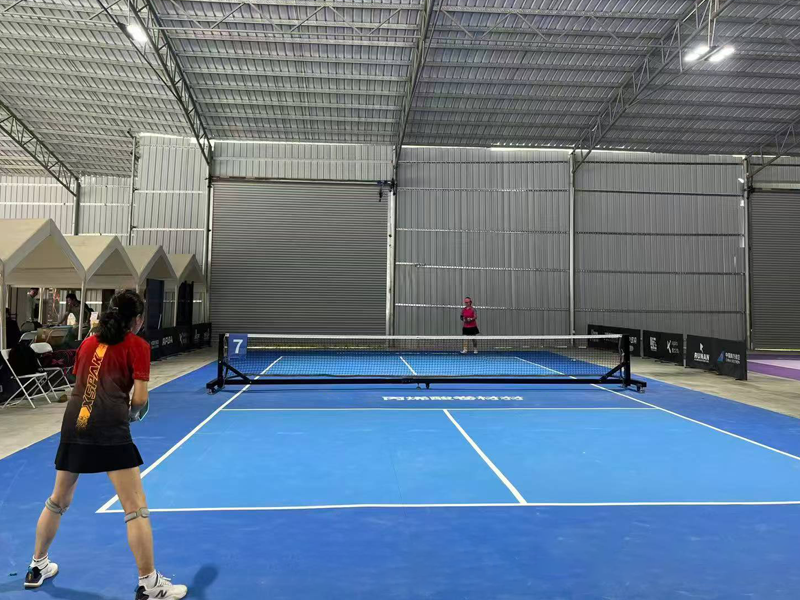
A residential pickleball court is a dedicated playing area installed on private property, typically in a backyard, side yard, or recreational space surrounding a home. Unlike temporary setups that require portable nets and improvised boundaries, a purpose-built court is engineered to deliver consistent ball bounce, reliable footing, and a more authentic playing experience. As pickleball continues to surge across North America, homeowners are increasingly transforming underutilized outdoor areas into personal courts where friends and family can play whenever the mood strikes.
Benefits of Having a Pickleball Court at Home
Few home improvements combine recreation, fitness, and property enhancement quite like a residential pickleball court. Having a court just steps from your back door eliminates travel time, encourages regular exercise, and creates a natural gathering place for neighbors and guests. Many homeowners also appreciate the convenience factor—when the weather is nice, you can simply grab a paddle and get a few games in without worrying about crowded public facilities.
Residential vs. Commercial Pickleball Courts
While both court types follow the same fundamental rules and dimensions, their design priorities differ considerably. Commercial facilities are often built to withstand continuous heavy traffic, tournament play, and large groups of players throughout the day. Residential courts, on the other hand, prioritize space efficiency, aesthetics, noise management, and homeowner comfort while still delivering excellent playability.
Planning Your Residential Pickleball Court Project
Evaluating Available Backyard Space
Before selecting flooring materials or net systems, it is essential to evaluate the amount of usable space available on your property. Although the official court itself occupies a relatively compact footprint, additional clearance areas are necessary to ensure player safety and freedom of movement. Careful site evaluation at the beginning can prevent costly redesigns later and help maximize every square foot of available space.
Choosing the Ideal Court Location
Permanent flooring systems prioritize durability, long-term stability, and continuous daily use. They are commonly installed in dedicated pickleball clubs, municipal facilities, schools, and recreational complexes that expect heavy traffic throughout the year. These installations often feature more robust subfloor integration and higher structural rigidity. While the initial investment may be greater, permanent systems are engineered to withstand years of competitive play with minimal performance degradation.
Understanding Local Regulations and HOA Requirements
Many North American communities have zoning regulations, building codes, or homeowners association guidelines that may affect court construction. Requirements can include setback distances, fencing limitations, lighting restrictions, and noise considerations. Taking the time to verify local requirements before construction begins can save considerable frustration and avoid unexpected project delays.
Residential Pickleball Court Dimensions and Layout
Official Pickleball Court Dimensions
The official pickleball playing area measures 20 feet wide by 44 feet long, identical for both singles and doubles play. This standardized layout ensures that players can practice and compete under conditions consistent with tournament environments. Building according to official dimensions also helps future-proof the court should competitive play become part of the household routine.
Recommended Safety Zones and Run-Off Areas
Experienced court designers know that the painted boundary lines are only part of the equation. Adequate run-off space surrounding the court allows players to chase wide shots, execute defensive recoveries, and move naturally without fear of collisions. Generous safety zones create a more professional playing environment and significantly improve player confidence during fast-paced rallies.
Court Orientation and Sunlight Considerations
One of the most frequently overlooked design factors is court orientation relative to the sun. Positioning the court along a north-south axis generally minimizes direct sun exposure during peak playing hours, reducing glare and improving visibility. This simple planning decision can dramatically enhance player comfort and prevent the frustrating experience of staring directly into sunlight during crucial points.
Selecting the Best Surface for a Residential Pickleball Court
Concrete, Asphalt, and Existing Surface Options
Concrete remains one of the most popular foundations due to its durability, dimensional stability, and long service life. Asphalt offers a lower initial investment but may require more maintenance over time as environmental conditions cause gradual degradation. Existing hard surfaces can sometimes be repurposed, provided they meet structural and flatness requirements necessary for consistent play.
Modular Tile Flooring vs. Acrylic Court Systems
Modular sports tiles have become increasingly popular among homeowners seeking rapid installation, enhanced drainage, and improved shock absorption. Acrylic court systems, by contrast, provide the traditional appearance commonly associated with professional tennis and pickleball facilities. Each solution offers distinct performance characteristics, making it important to align surface selection with budget, climate conditions, and expected usage patterns.
Key Performance Factors: Traction, Ball Bounce, and Comfort
A great court surface strikes a careful balance between grip, responsiveness, and player comfort. Excessive traction can place unnecessary stress on joints, while insufficient grip may increase slipping risks during lateral movements. Consistent ball rebound, ergonomic cushioning, and dependable traction collectively create the type of court players look forward to using day after day.
Essential Components of a Home Pickleball Court
Pickleball Nets and Post Systems
The net is the centerpiece of every pickleball court and directly influences gameplay quality. Permanent net systems generally provide superior tension stability and long-term durability compared to temporary alternatives. Investing in a high-quality net setup helps ensure that the court maintains professional playing standards for years to come.
Court Fencing, Gates, and Ball Containment
Nothing interrupts a fun rally faster than chasing balls across the neighborhood. Proper fencing helps contain play, improves safety, and creates a more defined recreational environment. Thoughtfully designed access gates further enhance convenience while preserving the visual appeal of the overall installation.
Lighting Systems for Evening Play
Outdoor lighting extends court usability well beyond daylight hours, a particularly valuable feature for busy families. Modern LED sports lighting delivers excellent visibility while minimizing energy consumption and maintenance requirements. Proper fixture placement is essential to reduce shadows and ensure uniform illumination across the playing surface.
Step-by-Step Residential Pickleball Court Construction Process
Site Preparation and Groundwork
Every successful court begins with meticulous site preparation. This phase often includes grading, drainage improvements, excavation, and sub-base stabilization to create a structurally sound foundation. Cutting corners during groundwork is rarely worth the risk, as surface imperfections can eventually compromise court performance.
Surface Installation and Court Marking
Once the foundation is complete, the selected playing surface can be installed according to manufacturer specifications. Accurate court striping is equally important because even minor measurement errors can affect gameplay consistency. Precision during this stage contributes significantly to the finished court’s professional appearance.
Net Installation and Final Court Setup
The final stage involves installing the net system, verifying dimensions, and inspecting all court components. Many homeowners also choose to add seating, shade structures, equipment storage, or landscaping enhancements at this point. These finishing touches transform a simple court into a complete backyard recreation destination.
Residential Pickleball Court Costs and Budget Planning
Factors That Affect Construction Costs
Project costs can vary significantly depending on site conditions, material choices, drainage requirements, and optional amenities. Accessibility challenges, extensive grading work, and premium finishes may increase overall expenditures. Understanding these variables helps homeowners establish realistic expectations and avoid budget surprises.
Cost Comparison of Different Court Surface Options
Different court surface systems vary considerably in both upfront investment and overall value. Traditional acrylic-coated courts generally require new concrete or asphalt construction, making them one of the most expensive and time-consuming options for residential projects. Modular sports tiles reduce installation complexity and offer good durability, but some players notice a different ball response and foot feel compared to traditional court surfaces.
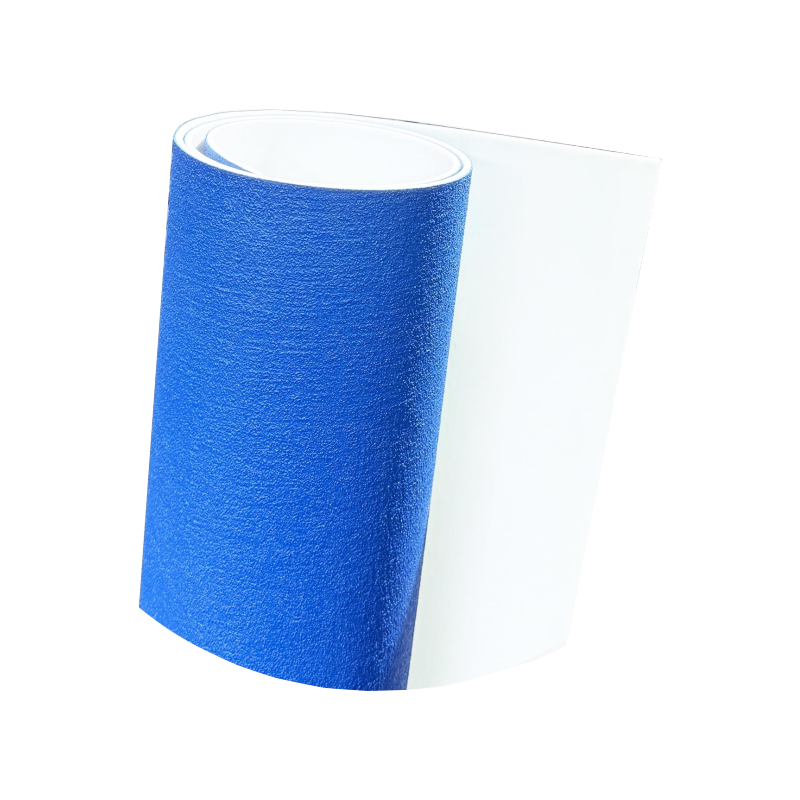
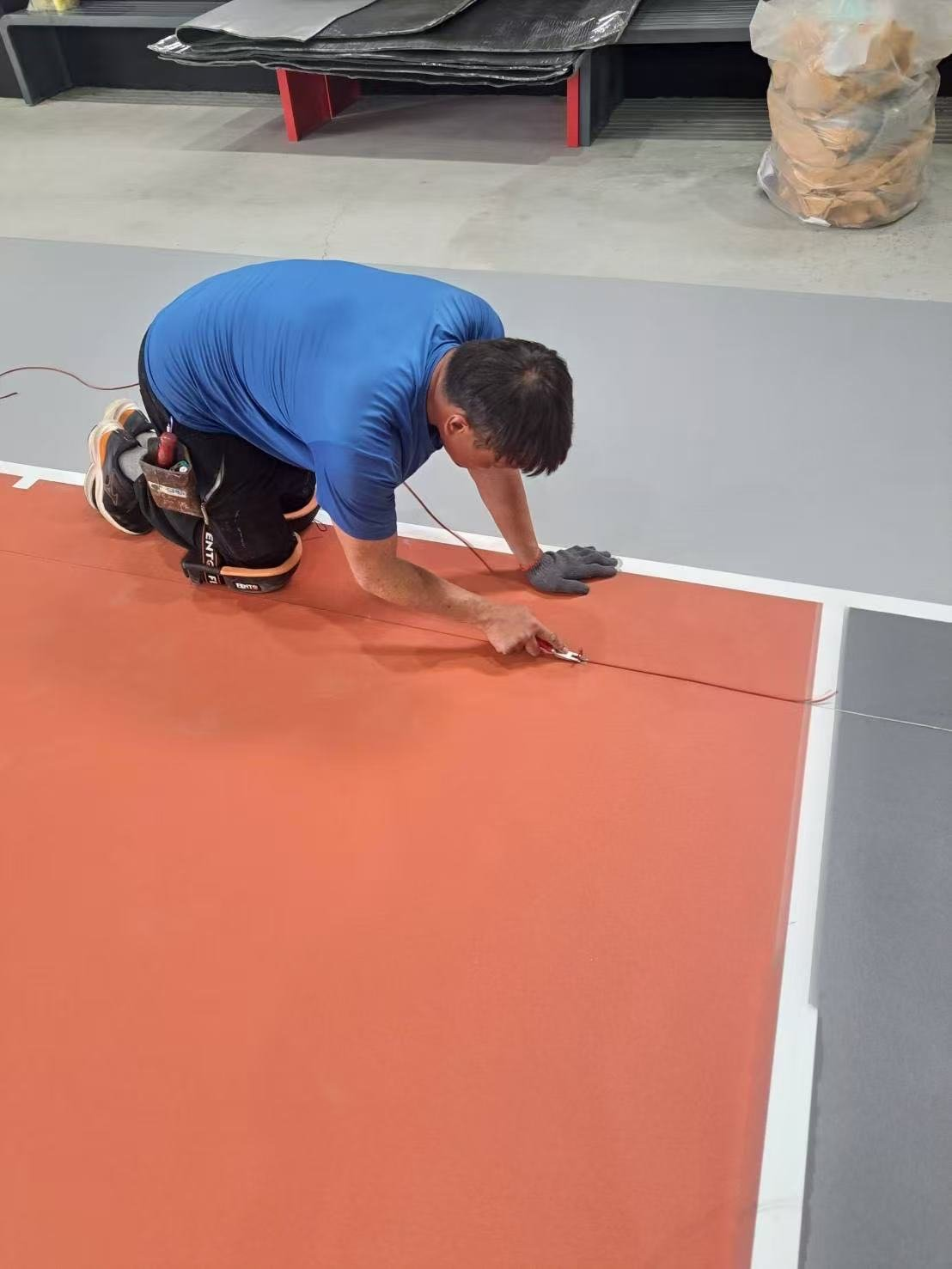
For homeowners seeking a faster and more cost-efficient solution, roll-out acrylic pickleball flooring has become increasingly popular. These pre-finished surfaces can often be installed over existing concrete, asphalt, or other hard and level foundations, dramatically reducing construction time and labor costs. Better yet, they deliver a true acrylic-style playing experience with consistent ball bounce, reliable traction, and enhanced underfoot comfort, making them an ideal choice for residential pickleball courts across the United States and Canada.
Ways to Reduce Costs Without Sacrificing Quality
Smart planning often delivers substantial savings without compromising functionality. Reusing suitable existing foundations, simplifying accessory selections, and focusing investment on critical performance components can help control costs. The goal is not merely to spend less, but to allocate resources where they generate the greatest long-term value.
Maintaining and Upgrading Your Residential Pickleball Court
Routine Cleaning and Preventive Maintenance
Routine maintenance keeps the court looking sharp and performing at its best. Regular sweeping removes debris that can accelerate surface wear, while periodic inspections help identify emerging issues before they become expensive repairs. A proactive maintenance approach often extends court lifespan significantly.
Common Issues and Repair Solutions
Over time, courts may experience surface wear, fading, drainage concerns, or localized structural movement. Addressing minor issues promptly is usually far less expensive than waiting for widespread deterioration. Timely repairs preserve both playability and visual appeal, ensuring the court remains a source of enjoyment for years.
Future Upgrades to Enhance Performance and Property Value
As usage increases, many homeowners choose to enhance their courts with premium features and modern amenities. Popular upgrades include advanced sports flooring systems, professional lighting, decorative fencing, spectator seating, and integrated landscaping elements. These improvements not only elevate the playing experience but can also contribute to the overall attractiveness and value of the property.
Conclusion
Building a residential pickleball court is more than a construction project—it is an investment in recreation, wellness, and lifestyle. With proper planning, quality materials, and thoughtful design, homeowners can create a court that delivers years of reliable performance and countless memorable matches. Whether the goal is casual family fun, regular fitness, or competitive practice, a professionally designed residential pickleball court can turn an ordinary backyard into a destination that keeps everyone coming back for one more game.
Related Posts
How to Convert a Tennis Court to Pickleball Courts
Can You Put a Pickleball Court on a Driveway? A Complete Guide
How to Install Roll-Out Pickleball Court Flooring