Table of Contents
Categories

KOLISTI Team
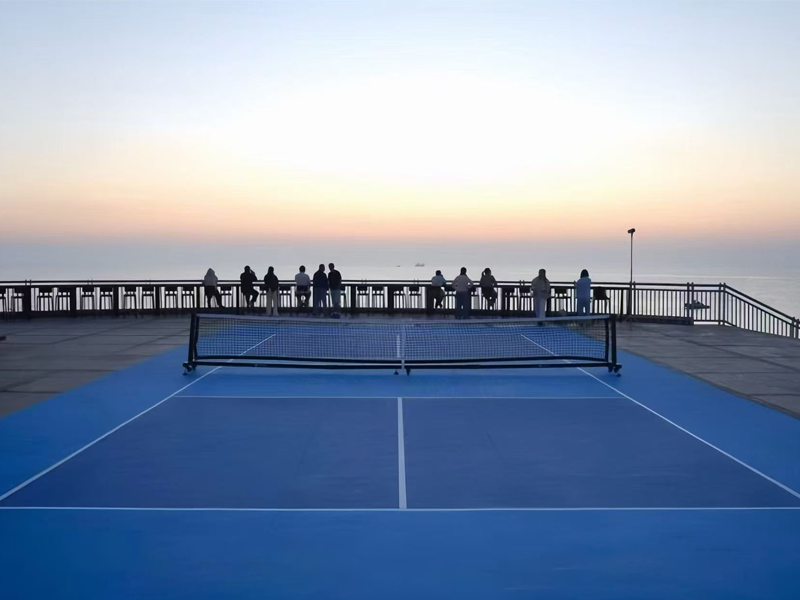
Choosing the right base is one of the most important decisions when building a pickleball court. While acrylic coatings or sports flooring create the playing surface, the foundation underneath determines durability, drainage, maintenance requirements, and overall court performance. Among all available options, concrete and asphalt remain the two most common choices. Understanding their strengths and limitations will help you select the best foundation for your project and avoid costly repairs in the future.
Understanding Pickleball Court Foundations
Why the Court Base Matters More Than the Surface Finish
A pickleball court’s performance starts with a stable foundation. Even the highest-quality court coating or roll-out flooring cannot compensate for a base that is uneven, poorly compacted, or prone to cracking. A solid base ensures consistent ball bounce, improves player safety, and helps extend the lifespan of the entire court system.
Common Base Materials Used for Pickleball Courts
Concrete and asphalt are the two industry-standard base materials for outdoor pickleball courts. Concrete offers excellent structural stability and a long service life, while asphalt provides a more cost-effective solution with greater flexibility. Both can deliver outstanding playing performance when properly designed, installed, and maintained.
When to Choose Concrete or Asphalt for a New Court
The best choice depends on your budget, climate, expected usage, and long-term goals. Concrete is often preferred for permanent facilities where durability and low maintenance are priorities, whereas asphalt is commonly selected for projects that require a lower initial investment. Evaluating both short-term construction costs and long-term maintenance expenses will help you make a smarter decision.
Concrete Pickleball Courts: Advantages and Disadvantages
Benefits of Building a Pickleball Court on Concrete
Concrete is widely regarded as the premium foundation for pickleball courts because of its strength and stability. It delivers consistent ball bounce, resists deformation under heavy use, and typically requires less maintenance than asphalt over its lifespan. It also provides an excellent base for acrylic coatings, modular tiles, and roll-out pickleball flooring systems.
Potential Drawbacks of Concrete Courts
The biggest disadvantage of concrete is its higher upfront cost. It also requires adequate curing time before surface coatings or flooring can be installed, which may extend the project schedule. In areas with unstable soil or poor site preparation, concrete slabs can develop cracks that require professional repair.
Best Applications for Concrete Pickleball Courts
Concrete is an ideal choice for sports clubs, schools, tournament venues, and homeowners seeking a long-lasting court. Its durability makes it especially suitable for facilities with frequent daily play or commercial operations where minimizing maintenance is a priority. Although the initial investment is higher, many owners find the long-term value well worth the cost.
Asphalt Pickleball Courts: Advantages and Disadvantages
Benefits of Asphalt as a Court Base
Asphalt is a popular choice for outdoor pickleball courts because it offers a lower initial construction cost than concrete. Its slightly flexible nature allows it to better accommodate minor ground movement, reducing the risk of early cracking in some environments. Asphalt also has a shorter construction timeline, making it an attractive option for projects with tight budgets or schedules.
Common Challenges with Asphalt Courts
Although asphalt performs well, it generally requires more maintenance over time. Exposure to sunlight, rain, and temperature changes gradually causes the surface to oxidize and crack, making periodic sealing or resurfacing necessary. Without proper maintenance, these surface issues can eventually affect ball bounce, drainage, and overall court appearance.
Ideal Situations for Choosing Asphalt
Asphalt is well suited for public parks, schools, community recreation centers, and residential courts where affordability is a key consideration. It provides a reliable foundation for recreational and moderate-use facilities while keeping construction costs under control. With regular maintenance, an asphalt pickleball court can deliver years of dependable performance.
Concrete vs Asphalt: A Side-by-Side Comparison
Installation Cost, Construction Time, and Budget
For projects with limited budgets, asphalt generally has the advantage due to its lower installation cost and faster construction process. Concrete requires a higher upfront investment and additional curing time before the playing surface can be installed. However, project owners should consider the total cost of ownership, including future maintenance and repair expenses, rather than focusing solely on the initial price.
Durability, Crack Resistance, and Long-Term Maintenance
Concrete typically lasts longer and requires less routine maintenance, making it a preferred choice for high-use facilities. Asphalt is more flexible and can better absorb minor ground movement, but it usually needs crack sealing and resurfacing more frequently as it ages. Both materials can provide decades of service when installed on a properly prepared sub-base and maintained according to recommended practices.
Playing Performance, Ball Bounce, and Player Comfort
Both concrete and asphalt provide excellent ball bounce when they are level and properly constructed. The biggest difference in player experience often comes from the surface system installed above the base, such as acrylic coatings or roll-out pickleball flooring. A quality surface not only improves traction and comfort but also helps deliver a more consistent playing experience regardless of the foundation underneath.
Choosing the Right Base for Different Projects
Residential Backyard Pickleball Courts
For backyard courts, the right foundation depends on your budget, available space, and long-term plans. Homeowners seeking maximum durability and minimal maintenance often prefer concrete, while asphalt offers a more economical alternative for recreational play. Whichever base you choose, proper site preparation and drainage are essential for long-lasting performance.
Schools, Parks, Clubs, and Community Facilities
Public facilities typically require a balance between construction cost, durability, and ongoing maintenance. Asphalt is commonly selected for parks and schools because it reduces upfront investment, whereas concrete is often preferred for clubs and high-traffic venues where long-term reliability is a priority. The expected level of daily use should play a major role in the decision.
Commercial Sports Venues and Multi-Court Installations
Commercial projects usually benefit from investing in a durable foundation that minimizes future maintenance and downtime. Concrete is often the preferred option for tournament venues, sports complexes, and multi-court facilities due to its stability and longer service life. Although the initial cost is higher, it can offer better long-term value for high-volume operations.
Can You Install Pickleball Flooring on Concrete or Asphalt?
Surface Preparation Requirements Before Installation
Before installing any pickleball flooring system, the base should be clean, dry, level, and structurally sound. Existing cracks, low spots, or drainage issues should be repaired to ensure proper performance. A well-prepared foundation not only simplifies installation but also helps extend the lifespan of the flooring.
Compatibility with Roll-Out and Modular Pickleball Flooring
Both concrete and asphalt are compatible with modern pickleball flooring systems, including roll-out acrylic flooring and modular sport tiles. These products are designed to be installed over hard, stable surfaces that provide adequate support. Choosing the right flooring solution depends on factors such as budget, project timeline, and maintenance expectations.
Upgrading Existing Tennis or Multi-Sport Courts
Many existing tennis and multi-sport courts can be converted into pickleball courts without rebuilding the foundation. If the concrete or asphalt base remains in good condition, adding a new playing surface is often faster and more cost-effective than constructing a new court from scratch. This approach is especially popular for schools, clubs, and recreation centers looking to expand their pickleball facilities efficiently.
How to Maximize the Lifespan of Your Court Base
Proper Drainage and Site Preparation
A durable pickleball court starts long before the surface installation begins. Proper grading, soil compaction, and drainage planning are critical factors that prevent water accumulation and structural damage. Whether the foundation is concrete or asphalt, poor site preparation can shorten the lifespan of the entire court system and lead to expensive repairs.
Routine Inspection, Cleaning, and Crack Repair
Regular maintenance helps preserve both the appearance and performance of a pickleball court. Owners should inspect the surface periodically for cracks, uneven areas, or drainage problems and address minor issues before they become major repairs. Keeping the court clean and repairing damage promptly can significantly extend the service life of both the base and the playing surface.
When to Resurface, Renovate, or Replace the Base
Over time, even well-built courts may require resurfacing or renovation. Minor surface wear can often be corrected with new coatings or flooring systems, while severe structural damage may require more extensive repairs. Evaluating the condition of the existing base before making improvements can help determine whether resurfacing is sufficient or a complete rebuild is necessary.
Frequently Asked Questions About Concrete and Asphalt Pickleball Courts
Is Concrete Better Than Asphalt for Pickleball?
Concrete is often considered the better choice for permanent, high-use pickleball courts because of its durability, stability, and lower maintenance requirements. However, asphalt remains an excellent option for projects where budget efficiency and faster installation are important. The best choice depends on the specific project requirements, not simply one material being superior in every situation.
Can You Play Pickleball Directly on Concrete Without Flooring?
Yes, pickleball can be played directly on concrete, but a dedicated court surface can significantly improve the playing experience. Bare concrete can feel hard on players’ joints and may provide less traction compared with professional court surfaces. Adding acrylic coatings or roll-out flooring can enhance comfort, safety, and long-term performance.
Which Base Offers the Best Long-Term Value?
The best long-term value depends on how the court will be used. Concrete usually provides better value for facilities expecting heavy traffic and demanding low maintenance, while asphalt can be a smart choice for recreational projects with tighter budgets. A properly constructed and maintained base, combined with the right pickleball flooring system, will deliver the strongest return on investment.
Final Thoughts
Choosing between a concrete and asphalt pickleball court depends on more than just construction cost. Concrete offers superior durability and long-term stability, while asphalt provides affordability and flexibility for a wide range of applications. Regardless of the foundation you choose, proper installation, drainage, and surface selection are the keys to creating a safe and high-performing pickleball court.
For projects upgrading existing concrete or asphalt surfaces, a professional roll-out acrylic pickleball flooring system can provide a practical solution without the need for complete reconstruction. With the right combination of foundation and flooring, your court can deliver excellent performance, reduced maintenance, and years of enjoyable play.
Planning a commercial pickleball project?
Contact our team for free court layout recommendations, flooring suggestions, and project quotations.
Related Posts

Temporary vs. Permanent Pickleball Court Flooring for Sports Facilities

Pickleball Flooring for Commercial Sports Facilities: What Owners Should Consider
How to Convert a Tennis Court to Pickleball Courts