Table of Contents
Categories

KOLISTI Team
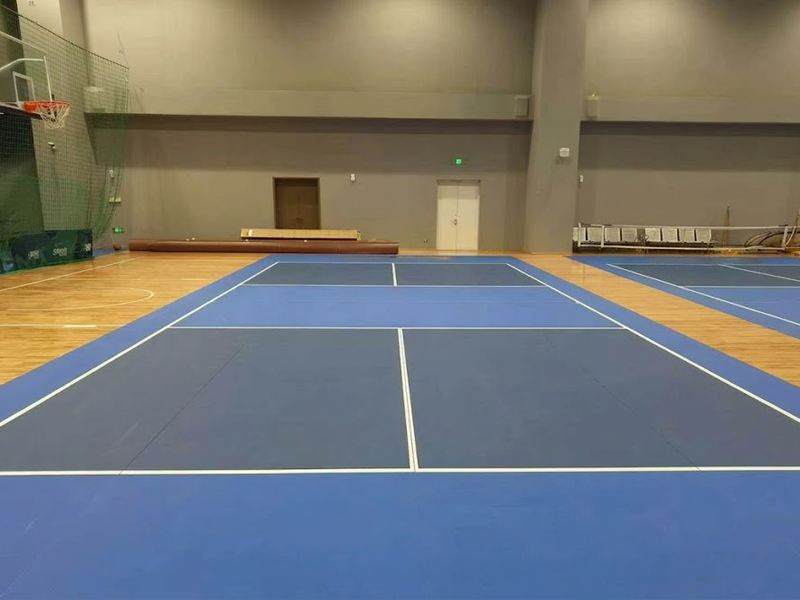
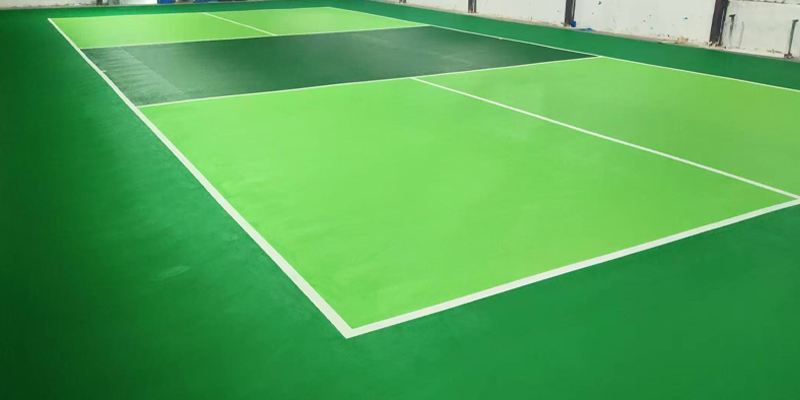
As pickleball continues to expand worldwide, many clubs, schools, and event organizers are looking for ways to add courts without investing in permanent construction. A pop up pickleball court offers a practical alternative by converting existing hard surfaces into playable courts in a short amount of time. This guide explains how portable court systems work, where they are most effective, and what to consider when planning a temporary installation.
What Is a Pop Up Pickleball Court?
Definition and Key Features of a Pop Up Pickleball Court
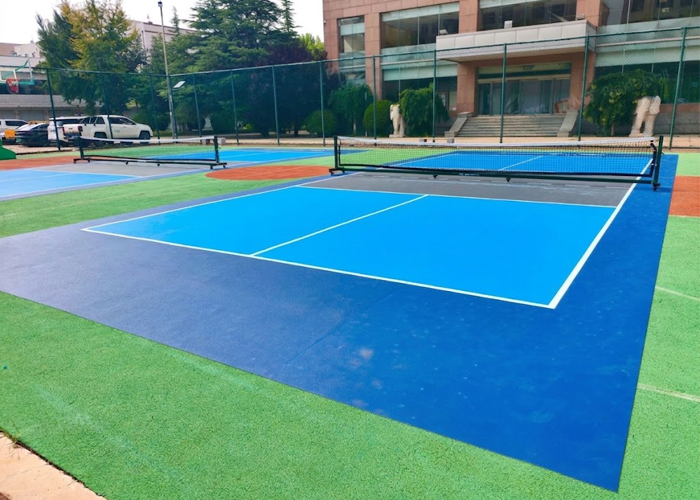
A pop up pickleball court is a temporary court that can be installed and removed without altering the original surface. It typically includes portable flooring, a movable net system, and temporary court lines. The result is a flexible playing area that can be reused in different locations whenever needed.
How It Differs from Permanent Pickleball Courts
Unlike permanent courts built on concrete or asphalt with fixed coatings, portable courts are designed for mobility. They can be assembled for a tournament, community event, or seasonal program, then removed when the space is needed for other activities. This flexibility makes them an attractive option for facilities that serve multiple purposes.
Common Applications for Temporary Pickleball Courts
Temporary courts are widely used at sports festivals, shopping mall promotions, schools, community centers, and corporate events. Many sports clubs also use them to test player demand before investing in permanent construction. They provide an efficient way to bring pickleball to new audiences while making better use of existing spaces.
When Does a Pop Up Pickleball Court Make Sense?
Community Events and Recreational Programs
Community events often need sports activities that are easy to set up and suitable for all ages. A portable pickleball court can quickly transform a parking lot or public plaza into a lively playing area, helping organizers attract participants without major infrastructure costs.
Commercial Facilities and Sports Venues
Fitness centers, sports complexes, and event venues can use temporary courts to maximize space utilization. Instead of dedicating an area to a single sport, operators can switch between different activities based on schedules and customer demand. This approach creates greater flexibility while improving the return on existing facilities.
Schools, Universities, and Multi-Purpose Spaces
Educational institutions often need facilities that support multiple sports throughout the year. A portable pickleball court allows gymnasiums and outdoor courts to accommodate pickleball without permanent modifications. It is an ideal solution for schools and universities looking to introduce the sport while preserving the versatility of their existing spaces.
Choosing the Right Location for a Portable Pickleball Court
Indoor vs. Outdoor Installation
Both indoor and outdoor locations can accommodate a pop up pickleball court, but each has different advantages. Indoor courts provide consistent playing conditions and protection from the weather, while outdoor courts offer greater flexibility and can accommodate larger events. The best choice depends on your budget, expected usage, and available space.
Suitable Base Surfaces for Installation
A portable pickleball court performs best on a hard, level, and stable surface. Concrete and asphalt are the most common choices, but many portable flooring systems can also be installed over wooden gym floors or other smooth indoor surfaces. Before installation, ensure the area is clean, dry, and free of debris to achieve the best playing performance.
Space Requirements and Court Layout Planning
A regulation pickleball court measures 20 ft × 44 ft (6.1 × 13.4 m), but additional clearance is essential for safe play. Most facilities should allow at least 30 ft × 60 ft (9.1 × 18.3 m) for a single court. If multiple courts are planned, consider player circulation, spectator areas, and access routes during the layout stage.
Essential Components of a Pop Up Pickleball Court
Portable Court Flooring Options
The flooring has the greatest impact on ball bounce, traction, and player comfort. Common options include modular sport tiles, temporary court mats, and roll-out pickleball flooring, each offering different levels of portability, durability, and playing performance. Selecting the right flooring depends on how frequently the court will be installed and the overall project budget.
Pickleball Nets, Court Lines, and Accessories
Every portable court requires a regulation net system and clearly visible court markings. Many organizers prefer portable nets because they are quick to assemble and easy to transport between venues. Additional accessories, such as boundary markers, ball holders, and scoreboards, can further improve the playing experience.
Optional Equipment for Events and Commercial Use
Larger events and commercial facilities often benefit from extra equipment beyond the basic court setup. Portable fencing helps separate playing areas, while benches, shade tents, and lighting create a more comfortable environment for players and spectators. For tournaments, branded banners and sponsor signage also enhance the professional appearance of the venue.
How to Build a Pop Up Pickleball Court Step by Step
Preparing the Installation Surface
Begin by inspecting the installation area to ensure it is flat, clean, and structurally sound. Remove dust, loose gravel, and any obstacles that could affect player safety or flooring stability. Taking a few extra minutes to prepare the surface can prevent problems during installation.
Installing the Portable Court System
Lay the portable flooring according to the manufacturer’s instructions, making sure each section is properly aligned and securely connected. Once the flooring is in place, install the net system and verify that the court dimensions match official pickleball standards. A careful installation helps deliver consistent ball bounce and a better playing experience.
Final Inspection and Gameplay Preparation
Before players step onto the court, inspect all flooring joints, court lines, and the net for proper alignment. Test the surface by walking across different areas and checking for movement or uneven sections. Finally, place any necessary equipment, such as benches or scoreboards, and the court is ready for play.
| Installation Step | Key Tasks |
|---|---|
| Surface Preparation | Clean the area and remove debris |
| Flooring Installation | Lay and align the portable flooring |
| Court Setup | Install the net and confirm court dimensions |
| Final Inspection | Check stability, safety, and playing conditions |
Comparing Different Portable Pickleball Court Solutions
Roll-Out Flooring vs. Modular Sport Tiles
Both roll-out flooring and modular sport tiles are popular choices for portable pickleball courts. Roll-out flooring creates a continuous playing surface with fewer seams, while modular tiles are easy to replace if individual pieces become damaged. The better option depends on your project’s priorities, including installation speed, playing performance, and storage requirements.
Temporary Court Mats vs. Painted Surfaces
Temporary court mats provide portability and can be removed after an event, making them suitable for short-term use. Painted courts offer a permanent solution with lower ongoing maintenance but require dedicated space and cannot be relocated. Organizations should choose based on how frequently the court will be used and whether flexibility is important.
Which Solution Is Best for Your Project?
There is no one-size-fits-all solution for every portable pickleball court. Event organizers may prioritize fast installation, while schools and sports clubs often focus on durability and long-term value. Evaluating your budget, venue conditions, and expected usage will help you select the most suitable court system.
| Solution | Portability | Installation | Best For |
|---|---|---|---|
| Roll-Out Flooring | High | Fast | Clubs, events, commercial projects |
| Modular Sport Tiles | Medium | Moderate | Multi-sport facilities |
| Temporary Court Mats | High | Fast | Short-term events |
| Painted Surface | None | Permanent | Dedicated pickleball courts |
Costs, Maintenance, and Long-Term Value
Factors That Influence Project Costs
The total cost of a pop up pickleball court depends on several factors, including court size, flooring material, accessories, and transportation. Indoor and outdoor installations may also have different requirements that affect the overall budget. Planning these details early helps avoid unexpected expenses and ensures the project stays on schedule.
Maintaining a Portable Pickleball Court
Regular maintenance keeps a portable court safe and performing at its best. Clean the surface frequently, remove dirt and debris, and inspect the flooring and net system for signs of wear. Proper storage after use can also extend the lifespan of portable court components and reduce replacement costs.
Maximizing Return on Investment for Commercial Projects
For commercial facilities, a portable court is more than a sports surface—it’s a flexible business asset. The ability to host tournaments, training sessions, community events, and private rentals can generate additional revenue while making better use of existing space. Choosing durable, reusable equipment also helps reduce long-term operating costs.
Why Roll-Out Acrylic Flooring Is an Ideal Choice for Portable Pickleball Courts
Fast Installation and Easy Relocation
Roll-out acrylic flooring is designed for projects that require quick installation and minimal disruption. It can be deployed over suitable hard surfaces and removed when the venue needs to be used for other activities. This flexibility makes it an excellent option for events, schools, sports clubs, and multi-purpose facilities.
Professional Playing Performance and Durability
Compared with many temporary court solutions, roll-out acrylic flooring provides a more consistent ball bounce and reliable traction. Its durable surface is built to withstand repeated installation and regular play while maintaining a professional appearance. For organizations seeking both portability and performance, it offers a balanced long-term solution.
Planning Your Next Pop Up Pickleball Court Project
Every successful project begins with careful planning. Consider your venue, expected player traffic, budget, and long-term goals before selecting a portable court system. If you’re planning a commercial pickleball project, choosing the right flooring solution from the start can improve player satisfaction and maximize your investment.
Conclusion
A pop up pickleball court is an effective way to bring the sport to new locations without the cost and commitment of permanent construction. From community events and schools to commercial sports facilities, portable court systems offer the flexibility to create high-quality playing spaces wherever they are needed.
By selecting the right location, using reliable equipment, and investing in a durable flooring solution, organizations can build courts that are easy to install, simple to maintain, and ready for years of use. If you’re planning a portable pickleball court project, consulting an experienced supplier can help you choose the most suitable layout and flooring system for your specific needs.
Related Posts
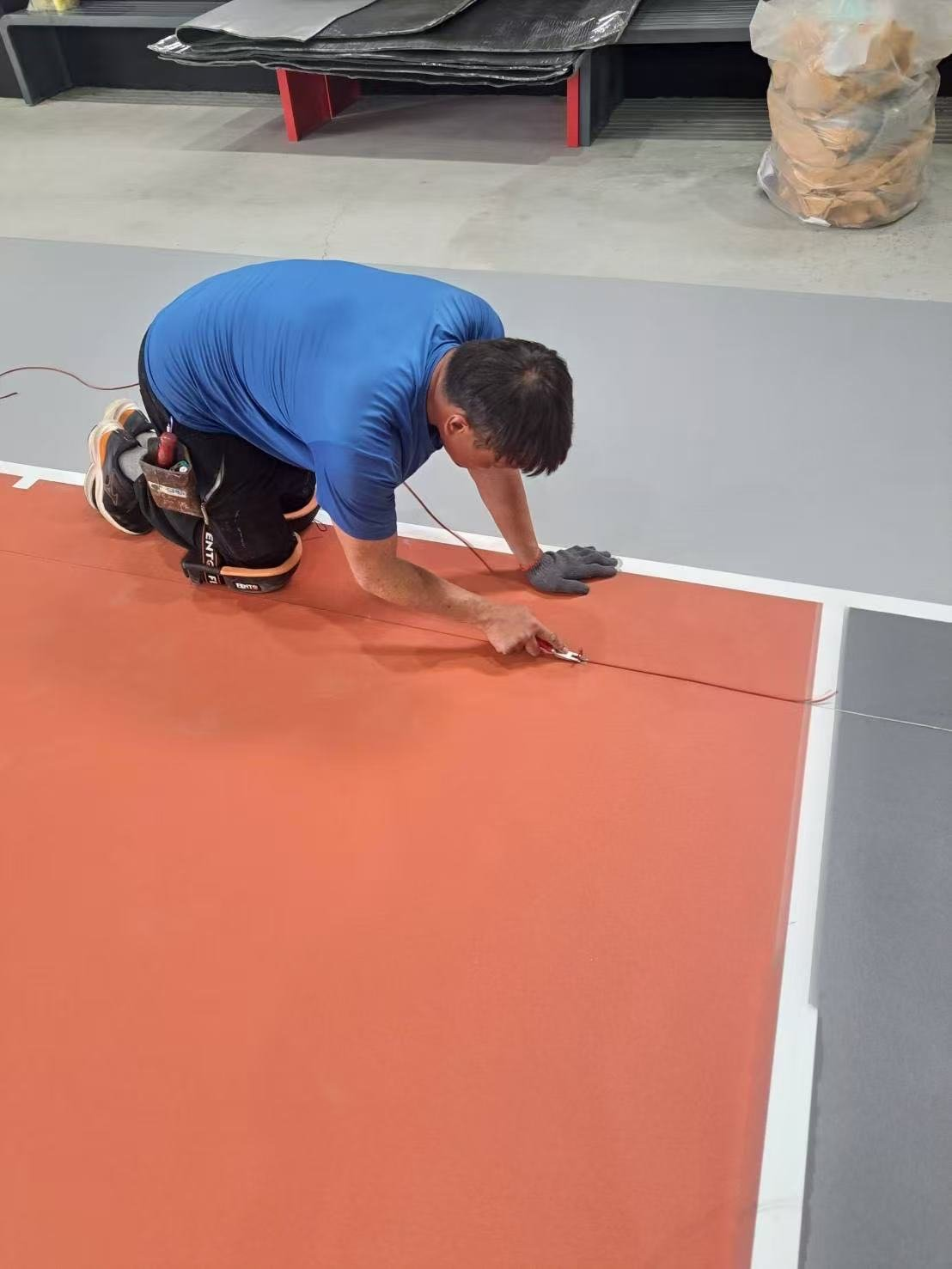
How to Install Roll-Out Pickleball Court Flooring
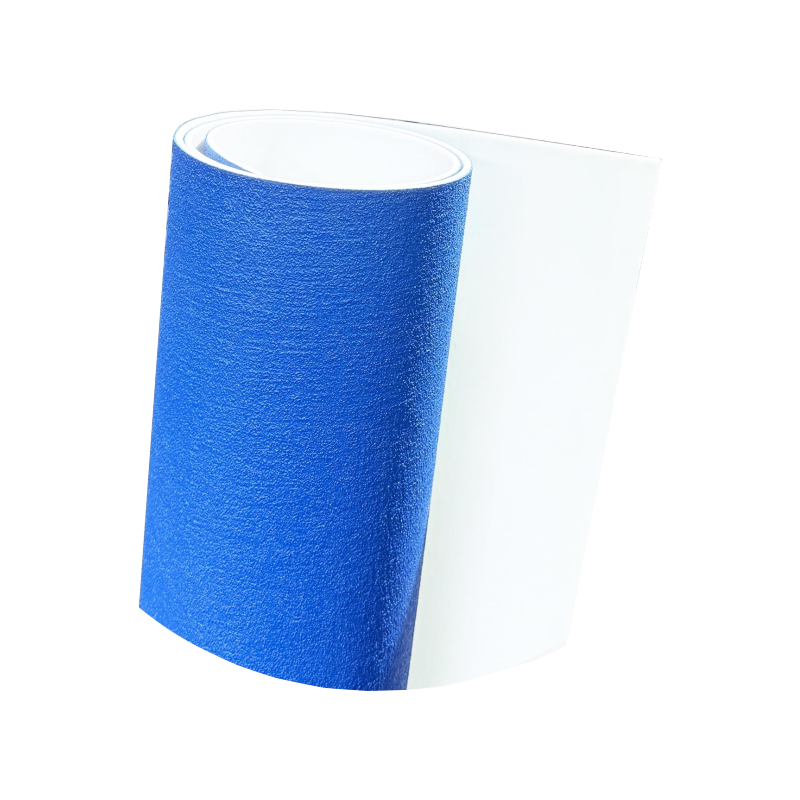
Cushioned Pickleball Courts: Sourcing Guide for Global Brands
Outdoor Pickleball Court Flooring: 5 Sourcing Tips