Table of Contents
Categories

KOLISTI Team
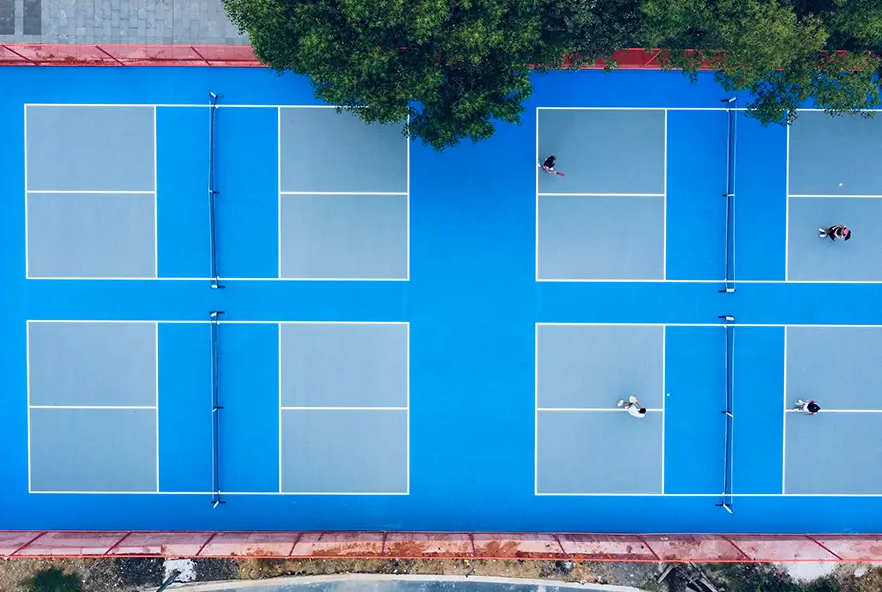
Pickleball has become one of the fastest-growing sports in the world, with more communities, parks, schools, and residential areas adding new courts. However, when planning a pickleball court near homes, one important question often comes up: How far should a pickleball court be from a residence?
The answer depends on several factors, including local regulations, court design, noise control measures, and the surrounding environment. While there is no universal distance requirement that applies everywhere, understanding the key considerations can help create a better experience for both players and nearby residents.
Why Distance Matters
Protecting Residential Comfort
The distance between a pickleball court and nearby homes matters mainly because of noise and activity levels. Unlike many traditional sports, pickleball involves frequent paddle impacts that create sharp sounds. These repeated sounds can become noticeable, especially in quiet residential neighborhoods.
A properly planned setback distance can help reduce the impact on surrounding residents. It also helps avoid conflicts between court users and the local community.
Improving Community Acceptance
Many pickleball projects are built in parks, retirement communities, schools, and shared residential areas. If residents feel that a new court will negatively affect their daily lives, the project may face complaints or delays.
Maintaining an appropriate distance from homes can make the project easier to approve. Good planning shows respect for both players and the surrounding community.
Supporting Better Court Design
Distance is not the only factor affecting the relationship between a pickleball court and nearby buildings. Court orientation, fencing, landscaping, and surface materials can also influence noise and player experience.
A well-designed court layout can reduce potential problems before construction begins. This is especially important for commercial and community pickleball projects.
Noise Levels of Pickleball
Why Pickleball Creates Noticeable Noise
Pickleball noise mainly comes from the paddle striking the ball rather than the ball bouncing on the court surface. The impact creates a sharp popping sound that can travel through open spaces.
Because games involve many repeated hits, even moderate noise levels can become noticeable over long periods. This is why some communities pay close attention to court locations.
Factors That Affect Noise Transmission
Several factors influence how far pickleball noise can travel. Open fields, hard surfaces, and a lack of barriers can allow sound to spread more easily.
Weather conditions can also affect noise perception. For example, sound may travel farther in quiet environments with little background noise.
Comparing Indoor and Outdoor Noise
Indoor pickleball courts usually create fewer neighborhood concerns because walls and structures help contain sound. Outdoor courts require more careful planning because sound can travel directly toward nearby properties.
For outdoor facilities, combining proper spacing with noise reduction strategies can significantly improve community acceptance.
Recommended Setback Distance
Is There a Universal Distance Requirement?
There is no single setback distance that applies to all pickleball courts worldwide. Requirements vary depending on city regulations, zoning rules, and the type of facility.
Some locations may have specific noise-control requirements, while others rely on general community standards. Project owners should always check local requirements before construction.
Common Planning Recommendations
Although regulations differ, many planners recommend placing pickleball courts as far away from residential buildings as practical. Additional distance can help reduce perceived noise and improve neighbor relationships.
For community projects, designers often consider surrounding buildings, property boundaries, and natural barriers when selecting a court location.
Factors That Influence the Ideal Distance
The ideal distance depends on more than just measurements. The number of courts, hours of operation, player traffic, and noise reduction features all affect the impact on nearby residences.
A single backyard court may require different considerations compared with a commercial facility with multiple courts operating throughout the day.
Local Regulations Vary
Different Cities Have Different Rules
Pickleball court regulations can vary significantly between cities and regions. Some municipalities have introduced specific guidelines related to noise levels, operating hours, or court placement.
Before starting a project, owners should contact local planning departments or review zoning requirements.
HOA and Community Requirements
Residential communities often have additional rules managed by homeowner associations (HOAs). These rules may address where courts can be installed and how they should operate.
Understanding HOA requirements early can prevent unexpected changes during the planning process.
Working with Local Authorities
For larger projects, communication with local authorities is an important step. Schools, parks, and commercial facilities may require permits or environmental reviews.
A professional planning approach can help ensure the project meets both legal requirements and community expectations.
How to Reduce Pickleball Noise
Use Noise Reduction Equipment
One effective way to reduce pickleball noise is by using quieter equipment. Specialized paddles and low-noise balls can help reduce sound levels during play. These solutions are especially useful in residential areas where complete relocation is not possible.
Add Physical Noise Barriers
Physical barriers can help block or absorb sound between courts and nearby residences. Examples include fencing systems, acoustic panels, landscaping, and trees. The effectiveness depends on the design, height, and location of the barriers.
Choose the Right Court Surface
The playing surface can influence overall court performance and maintenance requirements. A suitable pickleball court surface provides consistent ball response while supporting long-term durability.
For projects near residential areas, choosing a professional court flooring system can contribute to a better overall facility design.
Choosing the Right Court Surface to Minimize Impact
Importance of Surface Quality
A high-quality pickleball court surface improves player comfort, safety, and consistency. Poor-quality surfaces may create uneven performance and increase maintenance problems over time.
For commercial and community projects, flooring selection should be considered during the early planning stage.
Benefits of Roll-Out Acrylic Flooring
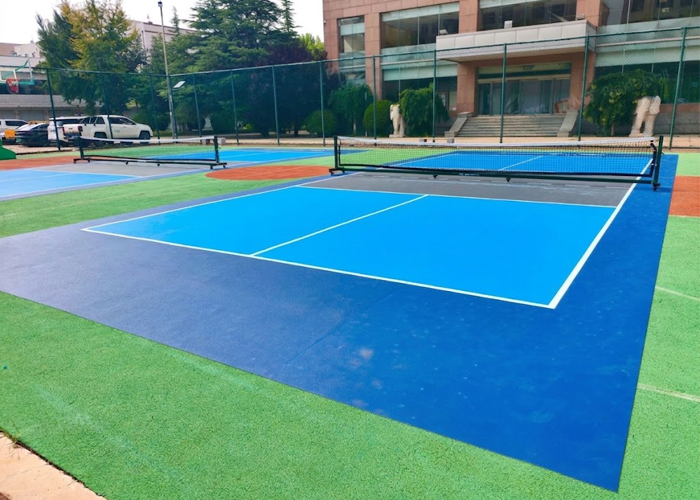
Roll-out acrylic pickleball flooring provides a professional playing surface without requiring permanent construction. It can be installed on suitable concrete or existing hard surfaces.
This type of flooring is also suitable for temporary courts, multi-purpose facilities, and projects that need flexible installation options.
Suitable Applications for Different Projects
Different facilities have different requirements. Schools may need durable surfaces for frequent use, while clubs may focus on professional playing quality.
Residential communities may prioritize easy installation and lower maintenance. Selecting the right flooring solution helps create a better experience for both players and nearby residents.
FAQs
How far should a pickleball court be from a house?
There is no universal distance requirement for every location. The recommended distance depends on local regulations, court design, noise control measures, and surrounding conditions.
Project owners should review local rules before selecting a court location.
Does pickleball noise travel far?
Yes, pickleball noise can travel significant distances, especially outdoors in quiet areas. The impact depends on factors such as court location, weather conditions, barriers, and surrounding buildings. Proper planning can help reduce noise concerns.
Can court flooring reduce pickleball noise?
Court flooring mainly affects playing performance, durability, and comfort rather than eliminating paddle impact noise. However, choosing a professional surface system helps create a better-quality court environment. Combined with proper distance planning and noise reduction measures, the right flooring can support successful pickleball projects.
Conclusion
Planning a pickleball court near residential areas requires careful consideration of distance, noise, regulations, and surface selection. While there is no single setback distance that works for every project, thoughtful design can help balance player enjoyment and community needs.
If you’re planning a residential or commercial pickleball project, choosing the right court surface can improve playability and help reduce maintenance. Our roll-out acrylic pickleball flooring is suitable for schools, clubs, parks, and residential communities.
Contact our team for professional recommendations on pickleball court flooring solutions, layouts, and project requirements.
Related Posts
How to Install Roll-Out Pickleball Court Flooring
Cushioned Pickleball Courts: Sourcing Guide for Global Brands
Outdoor Pickleball Court Flooring: 5 Sourcing Tips