Table of Contents
Categories

KOLISTI Team
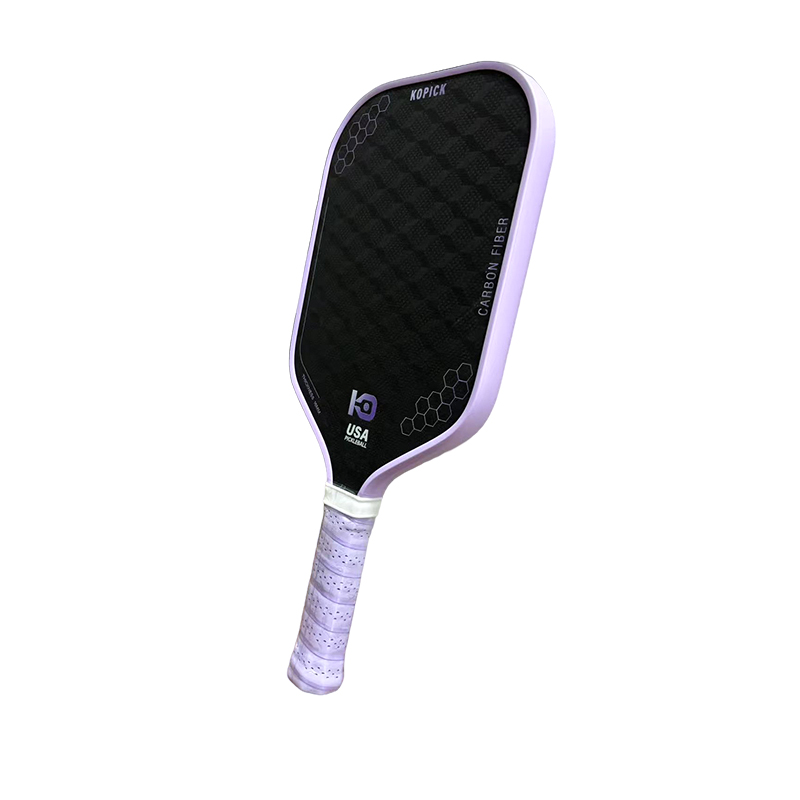
1. Introduction to Carbon Fiber Pickleball Paddles
The Rise of Carbon Fiber in Paddle Sports
In recent years, the use of carbon fiber in paddle sports has exploded, becoming the go-to material for players who demand high performance. Traditionally, paddles were made of wood or composite materials like fiberglass, but carbon fiber offers a unique combination of strength, lightness, and durability. As the sport of pickleball gains global traction, top-tier players and brands are increasingly investing in carbon fiber paddles. This shift is driven by the material’s ability to enhance control and power, as well as its unmatched longevity.
Why Carbon Fiber Matters for Competitive Play
For competitive players, every fraction of an inch and millisecond counts. Carbon fiber paddles allow for a more controlled, precise strike on the ball, translating to improved accuracy and reaction time. Unlike other materials, carbon fiber maintains its integrity under pressure, providing consistent performance over time. This makes it an ideal choice for players who compete at high levels and require equipment that can keep pace with their skill and intensity.
Branding Opportunities in a High-Performance Segment
Carbon fiber paddles aren’t just about function—they offer a powerful branding opportunity for companies in the pickleball market. With the rise of professional tournaments and elite-level play, players are searching for gear that reflects their competitive spirit. Offering carbon fiber paddles positions your brand as a leader in quality and innovation. For brands aiming to connect with serious players, carbon fiber represents an opportunity to stand out in a crowded market and build trust through performance-driven marketing.
2. Understanding Carbon Fiber as a Material
Composition and Strength-to-Weight Ratio
Carbon fiber is made from thin strands of carbon atoms, woven into a fabric-like structure and bonded with resin. This creates a material that is both incredibly strong and remarkably light. The strength-to-weight ratio of carbon fiber is far superior to other materials, allowing paddles to remain responsive while offering maximum durability. This is critical for players who need a paddle that can withstand the force of aggressive play without being weighed down.
Comparison with Graphite and Fiberglass
While graphite is lightweight and fiberglass is durable, neither matches the overall performance of carbon fiber. Graphite paddles, although light, tend to have a less responsive feel compared to carbon fiber. Fiberglass paddles are flexible, which provides power, but they can lack the precision that carbon fiber delivers. Carbon fiber strikes the ideal balance, offering both rigidity and responsiveness for precise, powerful shots.
Market Perception of Premium Materials
Carbon fiber carries a strong perception of quality and sophistication. In many industries, from automotive to aerospace, it is synonymous with performance and cutting-edge technology. In the pickleball world, this association elevates the status of any paddle that incorporates carbon fiber. Players don’t just see a paddle; they see a piece of high-performance equipment designed for serious play, making them more likely to invest in such a product.
3. Key Performance Benefits for Players
Enhanced Control and Ball Feel
One of the primary advantages of carbon fiber paddles is the enhanced control they offer. Players experience a greater feel for the ball, leading to more accurate placement and superior shot-making. Whether executing a soft dink or a powerful smash, the paddle’s stiffness and responsiveness allow for fine-tuned control that other materials simply can’t match.
Superior Durability Under Aggressive Play
Carbon fiber paddles are built to last. Their durability ensures that even after countless hard-hitting matches, the paddle maintains its original shape and performance. Unlike fiberglass or wood, carbon fiber resists warping, cracking, and wear, ensuring that players can rely on their equipment over the long term, even with aggressive play.
Reduced Vibration and Joint Strain
A key issue for pickleball players is the stress that repetitive impact can put on their arms and wrists. Carbon fiber paddles significantly reduce vibrations that occur when the ball strikes the paddle off-center. This results in less joint strain, making carbon fiber paddles a great choice for players concerned about arm fatigue and injury prevention.
4. Why Carbon Fiber Appeals to Serious Buyers
Association with Professional Athletes
The connection between carbon fiber paddles and professional athletes adds an aspirational aspect to the product. Players who aspire to reach the highest level of the game see top professionals using carbon fiber equipment, which influences their purchasing decisions. This association with elite-level play makes carbon fiber paddles highly desirable, especially among serious buyers looking to emulate their idols.
Long-Term Value Versus Entry-Level Paddles
While entry-level paddles might have a lower upfront cost, they often don’t deliver the same level of performance or durability. Carbon fiber paddles, though more expensive, offer a significant return on investment over time. Serious buyers understand that the cost of replacing a cheap paddle every few months adds up, while a carbon fiber paddle can provide years of reliable play.
Performance Marketing Potential
The performance of a carbon fiber paddle speaks for itself, and this creates significant marketing potential. Brands can build compelling narratives around the superior technology, durability, and precision of their carbon fiber paddles. Players, especially those who are competitive, are drawn to products that are positioned as the best in class—an aspect that carbon fiber clearly represents.
5. Carbon Fiber Paddle Market Trends
Shifts in Consumer Demand and Expectations
As pickleball continues to grow in popularity, players are becoming more knowledgeable and discerning about the equipment they use. They are no longer satisfied with basic, entry-level paddles and are seeking high-performance options. This shift in consumer demand is pushing brands to focus on quality and innovation, with carbon fiber becoming the material of choice for those who want the best.
Growth in High-End Paddle Segments
The market for premium paddles is expanding as more players seek out top-tier gear. This growth is driven by both increased competition and the desire for players to have the best equipment to match their skill. Carbon fiber paddles are at the forefront of this trend, offering the performance, durability, and design that players demand in high-end products.
Global Distribution and Pricing Benchmarks
As demand for carbon fiber paddles grows, global distribution channels are adapting to meet the needs of players worldwide. Prices for carbon fiber paddles vary by region, but there’s a clear trend towards premium pricing in developed markets. Brands that can offer competitive pricing, without sacrificing quality, will be best positioned to capture a larger share of the growing market.
6. OEM vs ODM Manufacturing Options
Differences and Benefits for Procurement Teams
When it comes to manufacturing carbon fiber paddles, brands typically have two options: OEM (Original Equipment Manufacturer) or ODM (Original Design Manufacturer). OEM offers brands the ability to fully customize the product, ensuring that the final paddle matches their exact specifications. ODM, on the other hand, offers a quicker route to market with pre-designed models that can be branded and slightly customized.
Customization Flexibility with OEM
OEM manufacturing offers the greatest degree of flexibility. Brands can work with manufacturers to create a paddle that meets their exact needs, from material choices to paddle shapes and custom graphics. This level of customization ensures that the product fully aligns with the brand’s vision, helping them stand out in a competitive market.
Speed to Market with ODM Models
For brands looking to enter the market quickly, ODM offers a fast-track option. Since the design is already developed, brands can focus on branding and minor adjustments. This option is ideal for companies that need to meet market demand rapidly or are launching their first product without extensive development time.
7. Custom Branding Opportunities
Paddle Face Printing and Logo Placement
When it comes to branding, the paddle face is prime real estate. Custom printing and logo placement on the carbon fiber surface can create a strong visual identity for your brand. Advanced techniques like UV printing and heat transfers allow for high-quality graphics that don’t compromise the paddle’s performance. By positioning your logo strategically on the face of the paddle, you create immediate brand recognition every time the player hits the ball.
Custom Grip Colors and End Cap Designs
The aesthetics of the paddle extend beyond the face—grip colors, end caps, and handle designs are key components of a fully customized product. These small, yet significant details allow brands to showcase their unique identity, ensuring that your product stands out both visually and in functionality. Custom grips not only add a personal touch but can also improve the player’s comfort and control on the court, adding another layer of appeal to your offering.
Packaging and Unboxing Experience
In today’s market, packaging is almost as important as the product itself. A carefully crafted unboxing experience can elevate the consumer’s perception of your brand. From high-end boxes to protective cases, the first impression matters. Eco-friendly materials or minimalist designs also help align with modern consumer values, offering an additional selling point for environmentally-conscious buyers.
8. Engineering Considerations in Paddle Design
Core Material Pairing with Carbon Fiber
The core of a paddle is just as important as the face material. Carbon fiber is often paired with polymer honeycomb cores, which offer a perfect balance between power and control. Depending on the desired playing experience, manufacturers might also consider Nomex or aluminum cores for different responsiveness. The synergy between core material and carbon fiber face greatly affects the feel and performance of the paddle, and it’s crucial for brands to carefully select this combination.
Surface Texture and Grit Options
The surface texture of a carbon fiber paddle plays a pivotal role in spin generation and ball control. Paddle faces can be sandblasted or coated with a variety of textured finishes to enhance grip on the ball. Players seeking greater spin will gravitate towards paddles with rougher surfaces, while those focused on control might prefer smoother textures. Understanding the preferences of your target market is key to designing a paddle that delivers optimal playability.
Shape, Balance, and Edge Guard Configurations
The shape of the paddle directly impacts swing dynamics, power, and reach. Whether you choose a widebody for more forgiveness or an elongated shape for greater reach, each variation serves a different playstyle. Balance, too, is crucial—paddles can be head-heavy for extra power or handle-heavy for more control and agility. Edge guard configurations offer protection but also affect the overall feel and weight distribution, all of which need to be fine-tuned to suit the player’s needs.
9. Quality Control Standards for Carbon Fiber Paddles
Material Sourcing and Batch Consistency
Quality control starts at the very beginning: material sourcing. Ensuring consistency in the carbon fiber used across batches is critical for maintaining product quality. Subpar materials can lead to inconsistency in paddle performance, which can tarnish a brand’s reputation. Reliable sourcing and traceability of materials are essential for maintaining uniformity across every paddle produced.
Impact Testing and Surface Inspection
Impact testing ensures that each paddle can withstand the rigorous demands of high-level play without compromising its performance. In addition to stress testing, surface inspection is conducted to detect any micro-defects in the carbon fiber. A comprehensive quality control process ensures that every paddle shipped to customers meets the highest standards, providing both reliability and longevity.
ISO and Industry Certifications
ISO certifications and adherence to industry standards serve as proof of a manufacturer’s commitment to quality. For procurement teams, these certifications are crucial for ensuring that the paddles meet safety and performance regulations. They also guarantee that the manufacturing process is efficient, ethical, and in line with international best practices, instilling confidence in both the production process and the end product.
10. MOQ and Lead Time Expectations
Typical Minimum Order Quantities by Region
Minimum order quantities (MOQ) can vary depending on the region and the specific manufacturing facility. For carbon fiber paddles, larger orders are typically required to ensure economies of scale. However, brands that are just starting out or testing the market may be able to negotiate lower MOQs, especially when working with ODM partners. It’s important to understand regional differences in MOQ requirements to plan production effectively.
Production Timelines for OEM and ODM
For OEM products, which involve custom designs and specifications, the production timeline tends to be longer, as it includes prototyping, testing, and fine-tuning. On average, production might take 6–12 weeks. ODM models, with pre-designed templates, allow for a faster turnaround, often taking only 4–8 weeks. Procurement teams need to align these timelines with product launch schedules to avoid delays.
Factors Influencing Delays or Rush Orders
Several factors can influence the production timeline, including supply chain disruptions, material shortages, and unexpected demand surges. Rush orders, while possible, often come with additional costs and logistical challenges. It’s essential to work closely with manufacturers to identify potential bottlenecks early on and establish contingency plans to minimize delays.
11. Price Positioning for Premium Paddles
Cost Breakdown and Component Value
The price of a carbon fiber paddle is largely determined by the cost of raw materials, labor, and the production process. Carbon fiber itself is more expensive than other materials, and high-quality cores, grips, and finishes add to the overall cost. When determining price positioning, brands must take into account not just the cost of production but also the perceived value of the paddle in the marketplace.
Retail Pricing Strategy for High-End Lines
High-end paddles with carbon fiber should be priced strategically to reflect their premium quality while remaining competitive within the market. Retail pricing should also factor in the exclusivity of the product, the target market, and the positioning of the brand. A well-thought-out pricing strategy can position your product as a top-tier offering while maximizing profitability.
Competitive Comparison Within the Market
When setting a price, it’s crucial to compare similar products within the market. Carbon fiber paddles from competing brands often offer similar features, so differentiating through unique selling points (USP), such as custom design, advanced features, or brand prestige, can justify higher prices. Understanding the competitive landscape is essential for ensuring that your pricing aligns with market expectations.
12. Logistics and Global Shipping Considerations
Packaging Dimensions and Carton Specs
Proper packaging is crucial not just for protecting the paddles during transit, but also for ensuring that the product arrives in pristine condition. Packaging dimensions and carton specifications need to be optimized to minimize shipping costs while preventing damage. Customized, branded packaging can also enhance the unboxing experience, making it an integral part of the product offering.
International Freight and Incoterms
International freight is a key consideration when shipping carbon fiber paddles globally. Incoterms, such as FOB (Free on Board) or CIF (Cost, Insurance, and Freight), determine who is responsible for the cost and risk of transport. Procurement teams must carefully choose the best terms based on the target market, taking into account lead times, costs, and customs regulations.
Customs, Duties, and Import Regulations
Navigating customs, duties, and import regulations is an essential part of global distribution. Each country has different tariffs, taxes, and rules regarding the import of goods, which can affect the overall cost and lead time of delivery. Brands need to partner with logistics providers who understand the nuances of international trade to avoid delays or unexpected fees.
13. Common Pitfalls in Carbon Fiber Paddle Sourcing
Overpromising and Underdelivering Suppliers
One of the biggest traps in paddle sourcing is dealing with suppliers who talk a big game but can’t walk the walk. It’s not uncommon for some factories to overstate their capabilities, promising ultra-light carbon fiber paddles with professional specs, only to deliver substandard products. These kinds of partnerships can severely damage a brand’s reputation. Procurement professionals must verify capabilities through audits, sample evaluations, and verified client references before entering any agreements.
Mislabeling Composite Materials
Another red flag in the industry is the misrepresentation of materials—especially when it comes to what’s being called “carbon fiber.” Some manufacturers blend fiberglass or other cheaper composites and pass it off as 100% carbon fiber. This not only compromises performance but also erodes consumer trust when paddles don’t perform as expected. Always request detailed spec sheets and, where possible, third-party lab verification of materials used.
Inconsistent Weight and Swing Specs
Consistency is king when it comes to paddle production. Variances in swing weight, paddle balance, or total weight—even by a few grams—can throw off the feel of a paddle, especially for advanced players. Inconsistency also creates logistical headaches with customer returns and damages brand credibility. That’s why tight production tolerances and final weight QC checks are non-negotiable for premium paddle lines.
14. Working with a Reliable Manufacturing Partner
Key Vetting Criteria for Factories
Not all factories are created equal. Key vetting factors include experience with carbon fiber layup, in-house testing capabilities, transparent material sourcing, and the ability to meet international compliance standards. It’s also important to look for ISO certifications and detailed SOPs that reflect a commitment to high-quality production practices. A strong manufacturing partner should act more like a collaborator than a vendor—sharing ideas, solving problems, and helping you scale.
Communication and Prototyping Workflows
Clear and timely communication is the backbone of successful partnerships. Whether it’s discussing grip sizing or grit level, every detail must be understood on both sides. A streamlined prototyping process, complete with detailed CAD drawings, spec sheets, and field testing feedback loops, ensures the final product aligns with brand expectations. The goal isn’t just to make a paddle—it’s to build the exact paddle your brand envisioned.
Long-Term Relationship and Scale Potential
Launching a paddle is just the beginning. As your brand grows, your manufacturing partner needs to grow with you. Assess the factory’s scalability—can they handle increased volumes, seasonal fluctuations, and new model lines without compromising on quality or lead times? A reliable partner is one who views your success as their own and invests in continuous improvements and innovation to support your brand’s long-term journey.
15. Case Studies of Brand Success Stories
Boutique Paddle Brand with DTC Growth
One small U.S.-based brand started with a 1,000-unit order of carbon fiber paddles targeting intermediate players. Through strategic influencer partnerships and direct-to-consumer e-commerce, they quickly scaled to 10,000+ units in under a year. Their success hinged on premium branding, responsive design iterations, and a reliable Chinese OEM partner who provided low-MOQ custom runs and quick turnaround on new colorways.
Sporting Goods Retailer Expanding Private Label
A large sporting goods chain in Europe successfully launched their private-label paddle line by collaborating with an ODM factory. Leveraging the factory’s existing molds, they customized surface finishes, branding, and grip designs to match their customer profiles. The result was a well-positioned premium paddle offering with lower R&D costs and faster time-to-shelf, all while maintaining high margins.
Pro-Endorsed Paddle Line with Rapid Traction
A U.S. pickleball coach with pro credentials launched a signature paddle line featuring a carbon fiber face and polymer honeycomb core. With smart co-branding, strong online marketing, and testimonials from fellow professionals, the brand rapidly gained traction in tournament circles. A tight feedback loop with their manufacturer allowed them to tweak shape and balance between production runs, keeping the paddles dialed in for competitive performance.
16. Future Innovations in Carbon Fiber Paddles
Nanotechnology and Resin Advancements
The future of carbon fiber paddles lies in advanced nanotech-infused resins and micro-structural reinforcements. These next-gen materials offer even higher stiffness-to-weight ratios and superior energy transfer, enhancing power without sacrificing touch. Expect to see paddles that feel more like an extension of the player’s arm—light, deadly accurate, and incredibly resilient under pressure.
Eco-Friendly and Recyclable Carbon Fiber
Sustainability is no longer optional—it’s becoming a market driver. Manufacturers are now exploring bio-based resins and recyclable carbon composites that reduce environmental impact without compromising performance. For brands looking to attract eco-conscious consumers, offering a “green” carbon fiber paddle can be a powerful differentiator.
Smart Paddles with Embedded Sensors
Tech is creeping into the paddle world—and in a good way. Future paddles may include embedded sensors that track swing speed, contact point, and shot accuracy. These smart paddles could sync with mobile apps, giving players actionable insights to refine their game. Brands that embrace this wave early can carve out a reputation for innovation and high-tech sophistication.
Related Posts
How to Install Roll-Out Pickleball Court Flooring
Cushioned Pickleball Courts: Sourcing Guide for Global Brands
Outdoor Pickleball Court Flooring: 5 Sourcing Tips